

RGS Diamond Color Grading
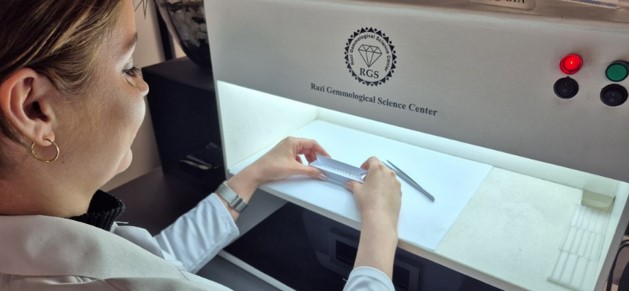
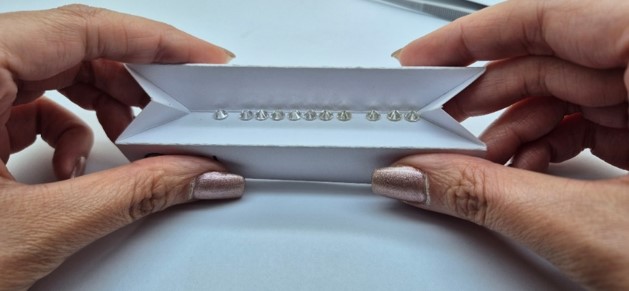
The RGS laboratory uses a GIA-certified natural diamonds master stones to color grading. Color grading is one of the most critical factors in determining a diamond’s beauty and value. The subtle differences between grades especially in the near-colorless range can be extremely difficult to detect without proper comparison. This is why having a master color stone is essential.
On the other hand to produce consistent and repeatable color-grading results, it is needed to have a standardized viewing environment. The RGS stablished a Light Box which provides a viewing environment that combines standard daylight conditions optimized by fluorescent lighting with customized LED illumination.
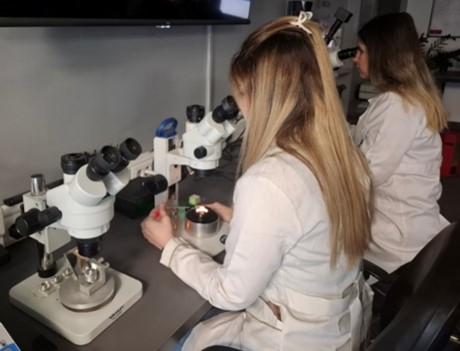
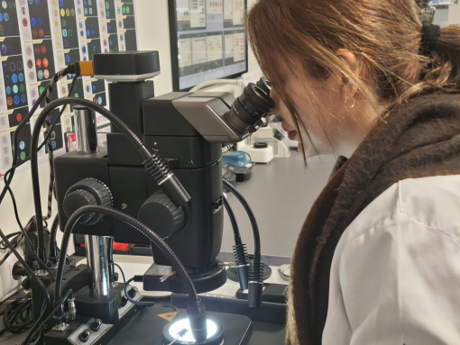
RGS Gemological Microscopes
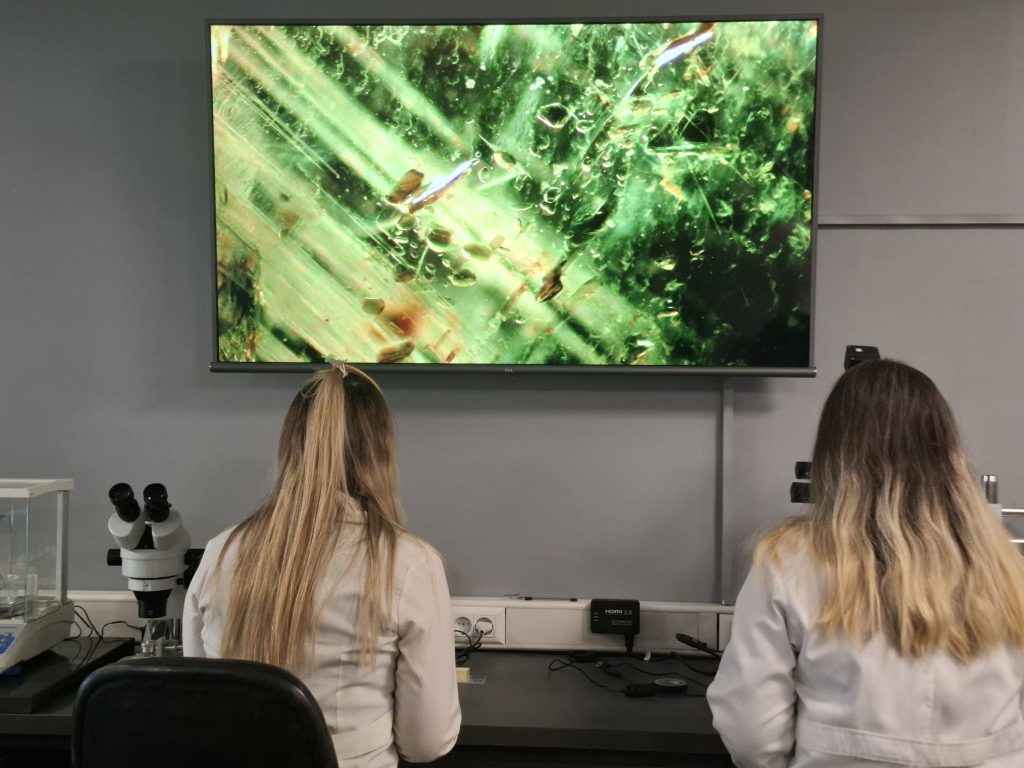
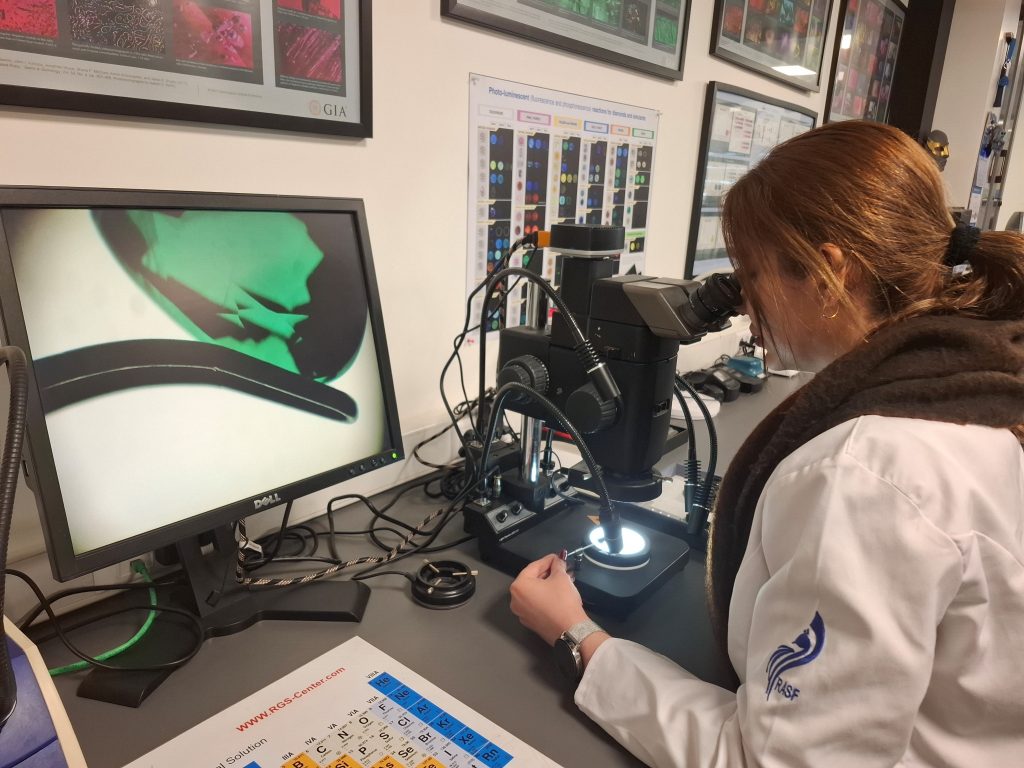
The laboratory is equipped with various makes and model of stereo binocular microscope but they all have the same basic components. These microscopes provide stereo (three-dimensional) viewing, standard gemological magnification, and specialized illumination systems such as dark field and oblique lighting, enabling clear observation of internal and surface features of gem materials.
Gemological Immersion Microscopes
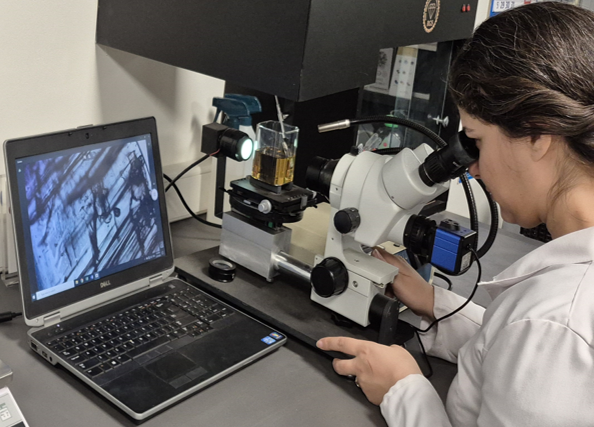
RGS has developed and constructed an immersion microscope, a gemological instrument designed to examine gemstones while they are submerged in a liquid with a refractive index close to that of the stone. This technique reduces surface reflections and refraction, allowing internal features such as inclusions, growth and color zoning, internal strain, and treatment-related characteristics to be observed with greater clarity.
Classic Gemological Instruments
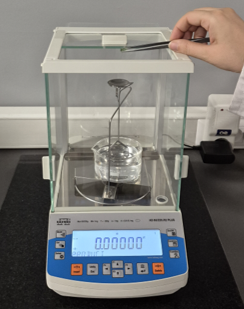
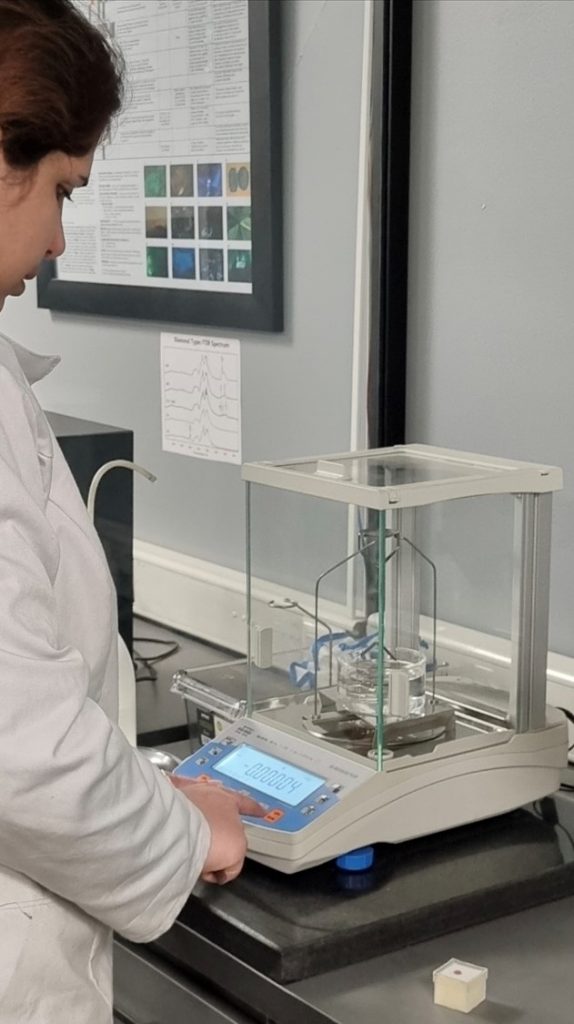
Precision Balance
The AS 60/220.R2 PLUS Analytical Balance, manufactured by Radwag (a precision balance maker from Poland), offers high-precision measurement of gemstone specific gravity. Using hydrostatic weighing, accurately determines density, essential for distinguishing gemstones with similar appearances and ensuring reliable identification.
Refractometer
The GIA Refractometer (from the Gemological Institute of America) provides accurate measurement of a gem’s refractive index (RI). Its use is essential for any gemological laboratory.
Polariscope
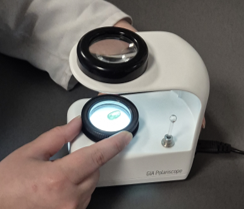
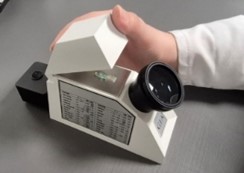
The polariscope is a fundamental gemological tool used to observe a gem’s internal optical behavior using polarized light. At RGS, we use the GIA Polariscope as a visual, non-destructive instrument for studying the internal structure of gem materials.
Polariscope
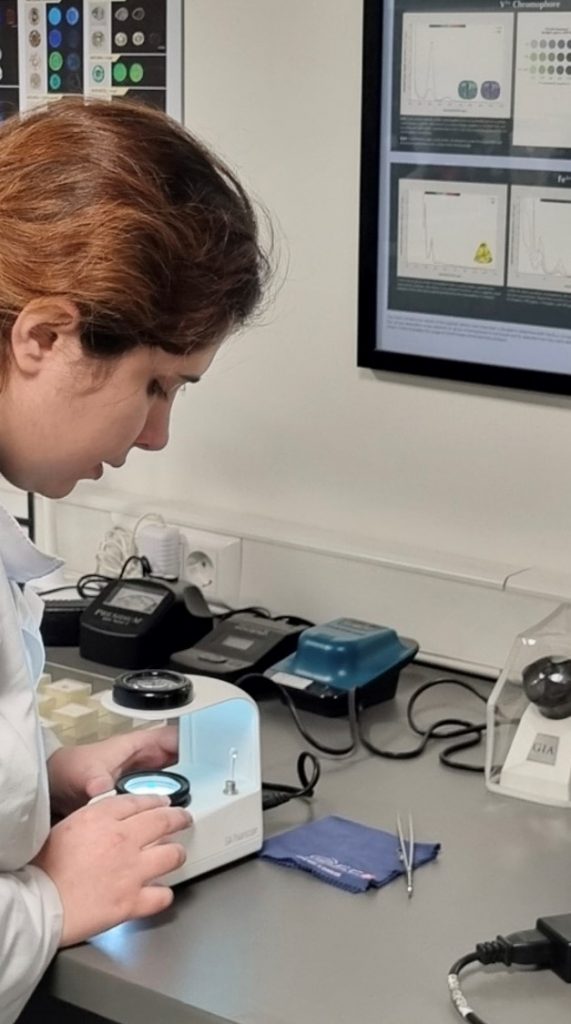
The polariscope is a key gemology tool that uses polarized light to analyze a gem’s crystal structure. At the Razi Gemological Institute, it is a vital first step for fast, non-destructive screening. It instantly distinguishes single-crystal gems from aggregates, reveals strain in synthetics, and helps detect imitations, forming a core part of Razi’s precise identification workflow.
Refractometer
A refractometer is a fundamental gemological instrument that measures a gemstone’s refractive index (RI), its unique “light fingerprint.” At the Razi Gemological Institute, it is the primary tool for conclusive gem identification. By precisely quantifying how light bends within a stone, it provides definitive data to distinguish between look-alike gems, confirm natural origins, and detect synthetics or treatments, making it indispensable for accurate and authoritative analysis.
S.G kits
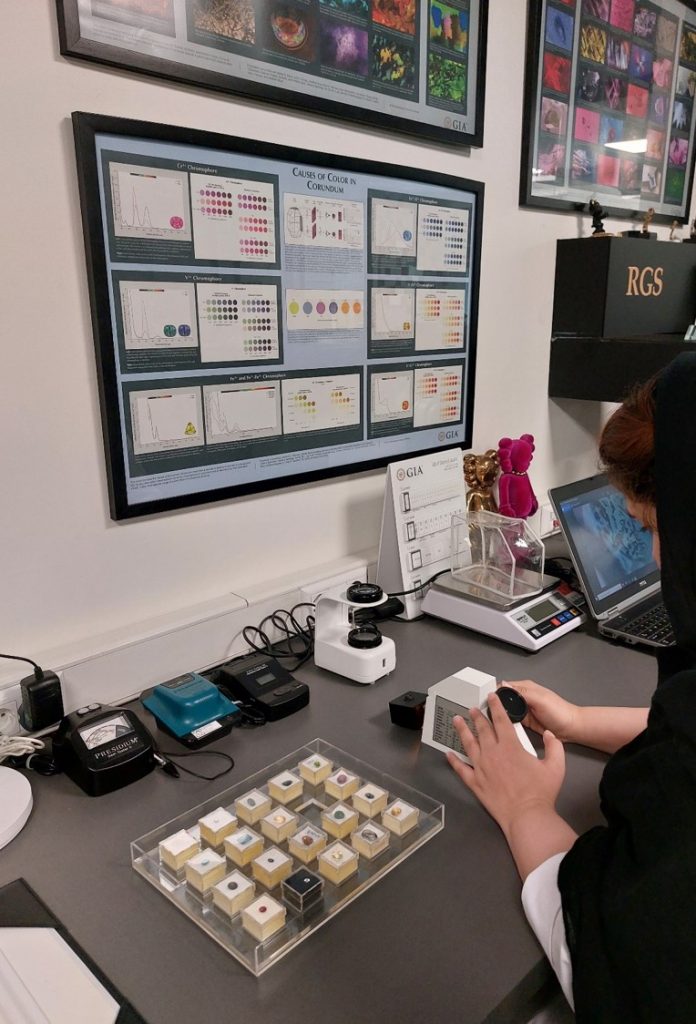
Specific Gravity (S.G.) kits are essential tools for measuring a gemstone’s density, a key identifying property. At the Razi Gemological Institute, these precise hydrostatic weighing kits provide a non-destructive and highly diagnostic test. By comparing the gem’s weight in air versus in water, experts can calculate its specific gravity, a definitive value that helps distinguish between gem species with similar appearance but different densities, such as citrine and topaz, or to confirm the identity of materials like amber. This method is a cornerstone of Razi’s rigorous and conclusive identification protocol.
In air and immersion liquid to identify solid inclusion, fluid inclusion and internal pattern in gemstones