


Optical Emission Spectrometry Laboratory
Optical Emission Spectrometry provides rapid and accurate elemental analysis to verify material composition, identify alloys, and support quality control in accordance with international standards
Introduction to Spectrometry
spectrometry is an advanced analytical technique used to determine the chemical composition of metallic and alloy materials with high precision. It plays a crucial role in quality control, research and development, and industrial material verification. By using optical emission spectrometry (OES), spectrometry enables rapid, accurate, and reliable elemental analysis across a wide range of metals.
This technology is widely applied in metallurgy, manufacturing, foundry industries, and research laboratories to ensure compliance with international standards and technical specifications.
The Spectrometry Laboratory operates in full compliance with the requirements of the ISO/IEC 17025 standard. All technical and managerial processes are implemented and maintained to ensure the highest level of accuracy, reliability, and traceability of analytical results.
In accordance with ISO/IEC 17025, the laboratory applies:
- Validated and standardized test methods
- Regular calibration and verification of instruments
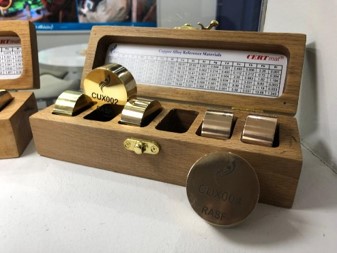
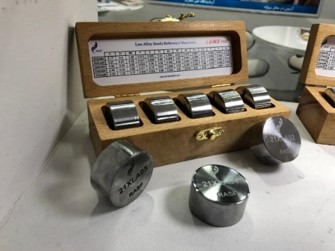
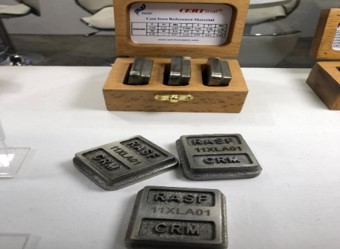
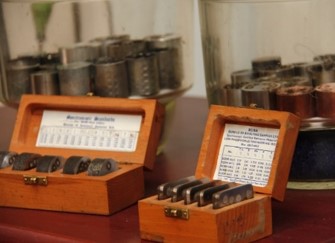
- Use of Certified Reference Materials (CRM) and Reference Materials (RM)
- Competent and trained technical personnel
- Documented quality control procedures and internal audits
- Measurement uncertainty evaluation and result traceability
- Continuous improvement of testing processes
By adhering to these requirements, the laboratory guarantees consistent analytical performance, international comparability of results, and full confidence in material characterization.
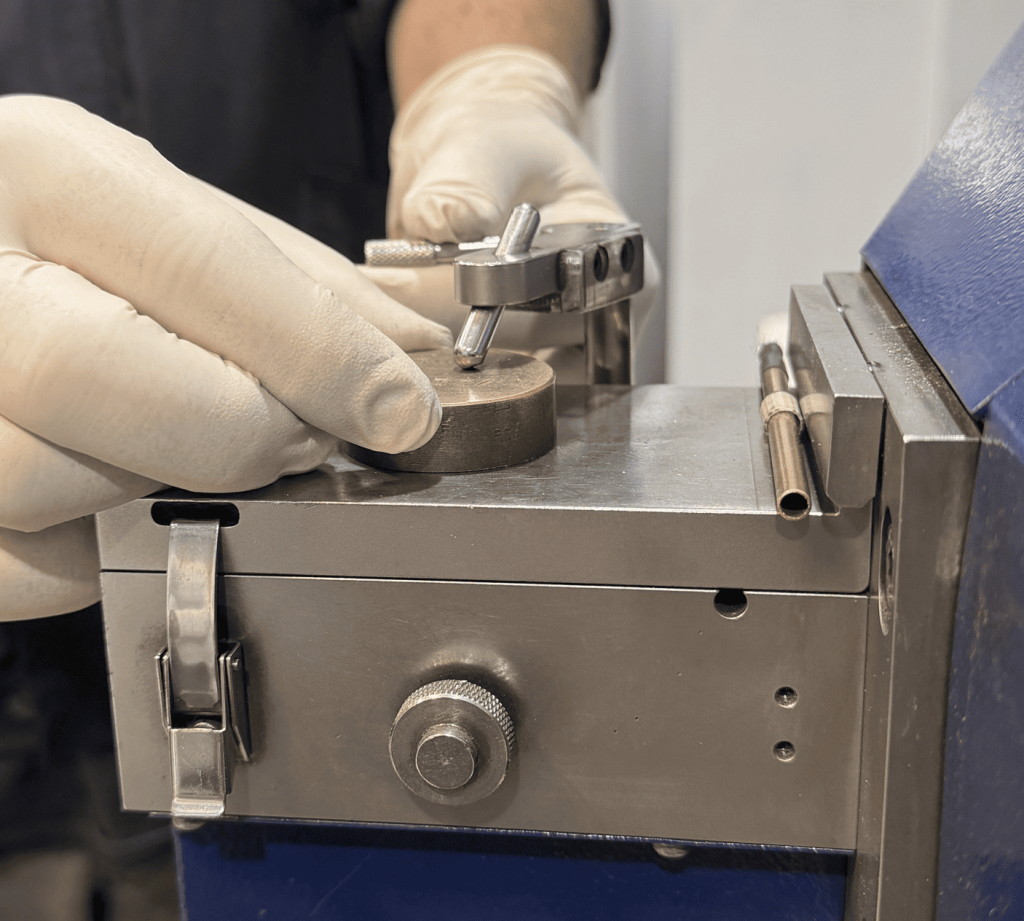
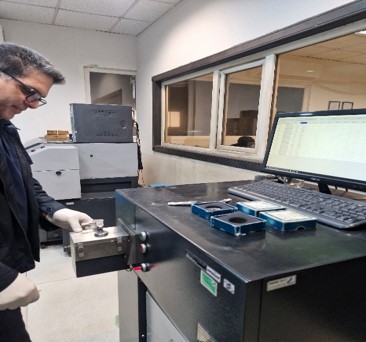
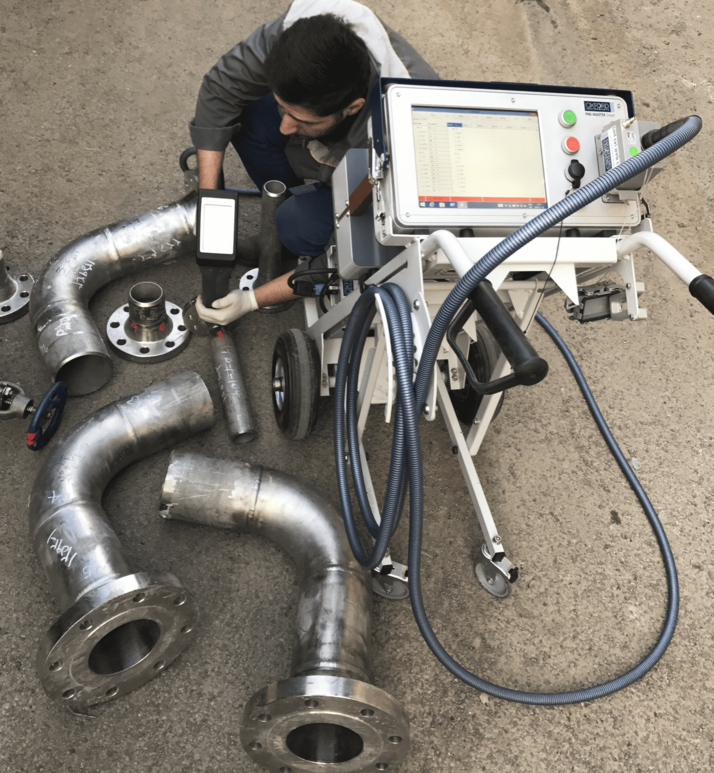
Spectrometric Testing Models
Another testing model is destructive analysis, in which the test specimen is prepared according to relevant standards. In many cases, analysis performed on the core of the sample is considered the most accurate and representative method for chemical composition determination.
In addition to this approach, chemical composition analysis can also be performed using spectrometric equipment, including both portable devices and stationary benchtop quantometric systems. Portable spectrometers allow for rapid, on-site testing, while fixed benchtop quantometer systems provide highly precise and comprehensive elemental analysis under controlled laboratory conditions.
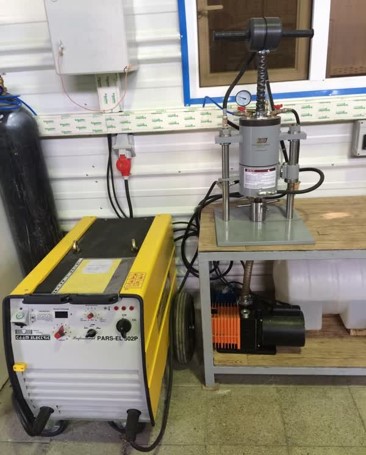
Remelt Furnace Disk
For samples with small diameters, thin sections, or cast iron materials, the disc method is applied. In this method, the sample is prepared in a suitable disc form to ensure proper placement on the instrument stand and complete coverage of the spark area.
Reference Standards
Steel and Cast Iron:
- Carbon Steel: ASTM E415
- Stainless Steel: ASTM E1086
- Tool Steel: ASTM A751
- Ni-Resist Cast Iron: ASTM E351
- Cast Irons: ASTM E1999
- Preparation of solid sample: ASTM E1306
- Manganese Steel: ASTM 2209
Non-Ferrous Metals:
- Aluminum: ASTM E1251
- Copper: BS EN 15056
- Nickel: ASTM E3047
- Zinc: ASTM E634
- Titanium: ASTM E2994