



Reliable analytical data depend not only on advanced instrumentation but also on rigorous quality assurance and data validation procedures. Every analytical result undergoes a comprehensive verification process to ensure accuracy, precision, reproducibility, and full metrological traceability. Quality management practices are implemented in accordance with internationally recognized laboratory standards and the principles of ISO/IEC 17025.
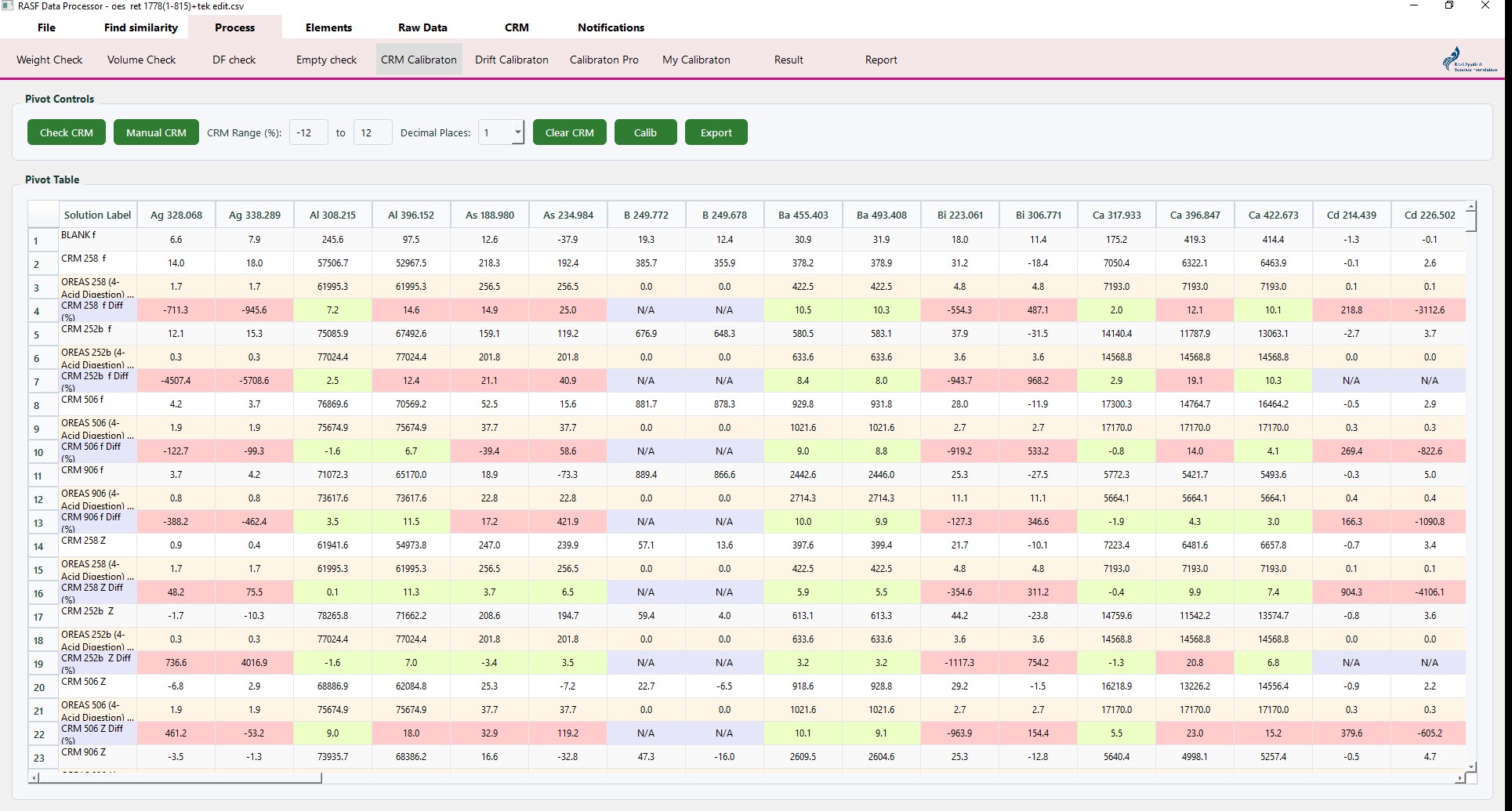
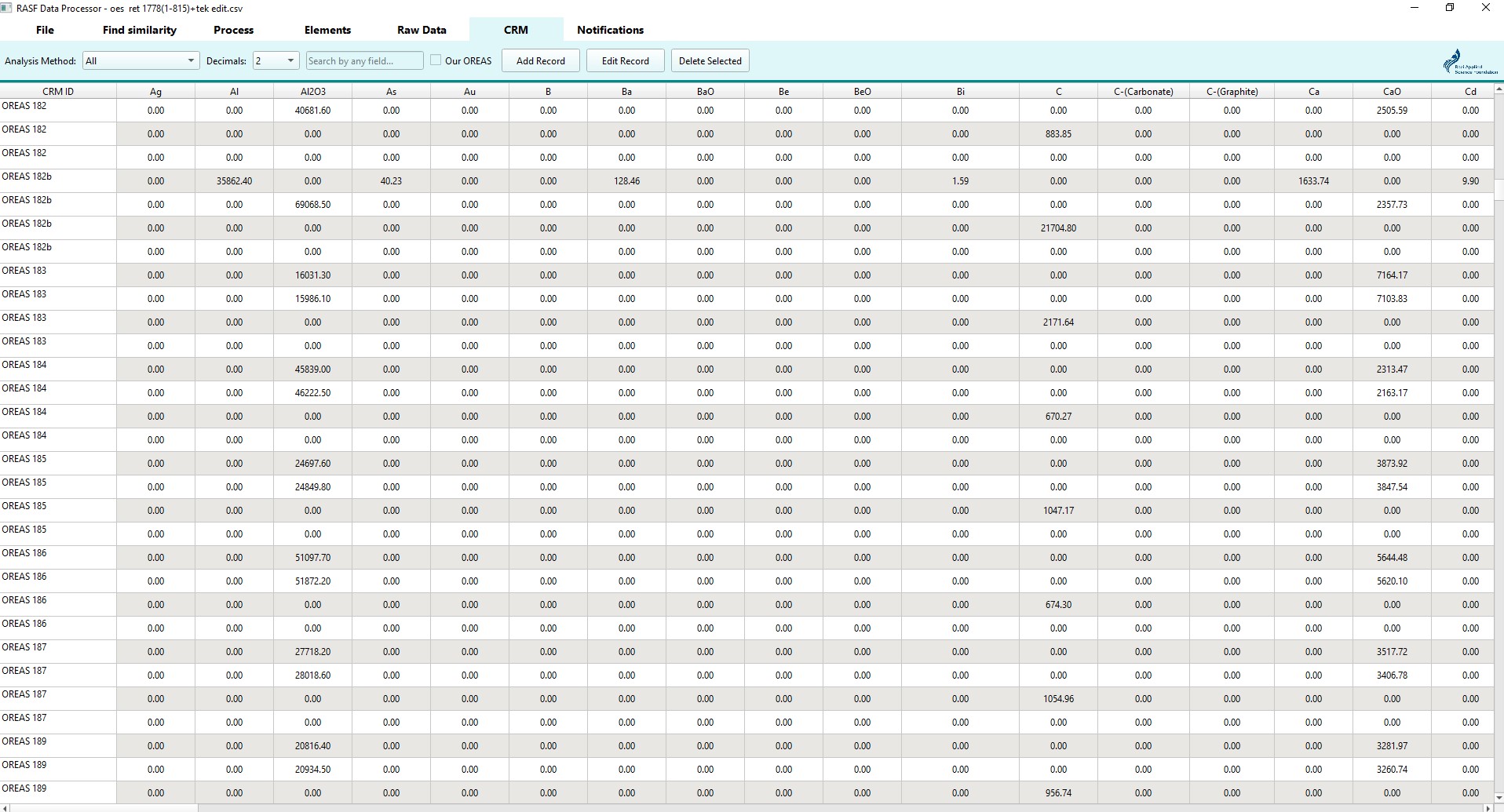
To ensure the highest level of analytical confidence, the laboratory operates a comprehensive quality control program utilizing matrix-matched Reference Materials (RM), Certified Reference Materials (CRM), laboratory control samples, blanks, duplicate samples, and calibration verification standards. An extensive collection of internationally recognized reference materials—including products from NCS, Geostats, OREAS, and other accredited providers—supports chemical and geochemical analyses across a wide range of geological matrices. These materials are routinely employed for instrument calibration, analytical method validation, quality control, accuracy and precision assessment, recovery studies, and long-term performance monitoring, enabling the selection of matrix-matched standards that minimize matrix effects and ensure reliable analytical results for rocks, ores, soils, sediments, concentrates, and industrial minerals.
Data Processing and Result Validation
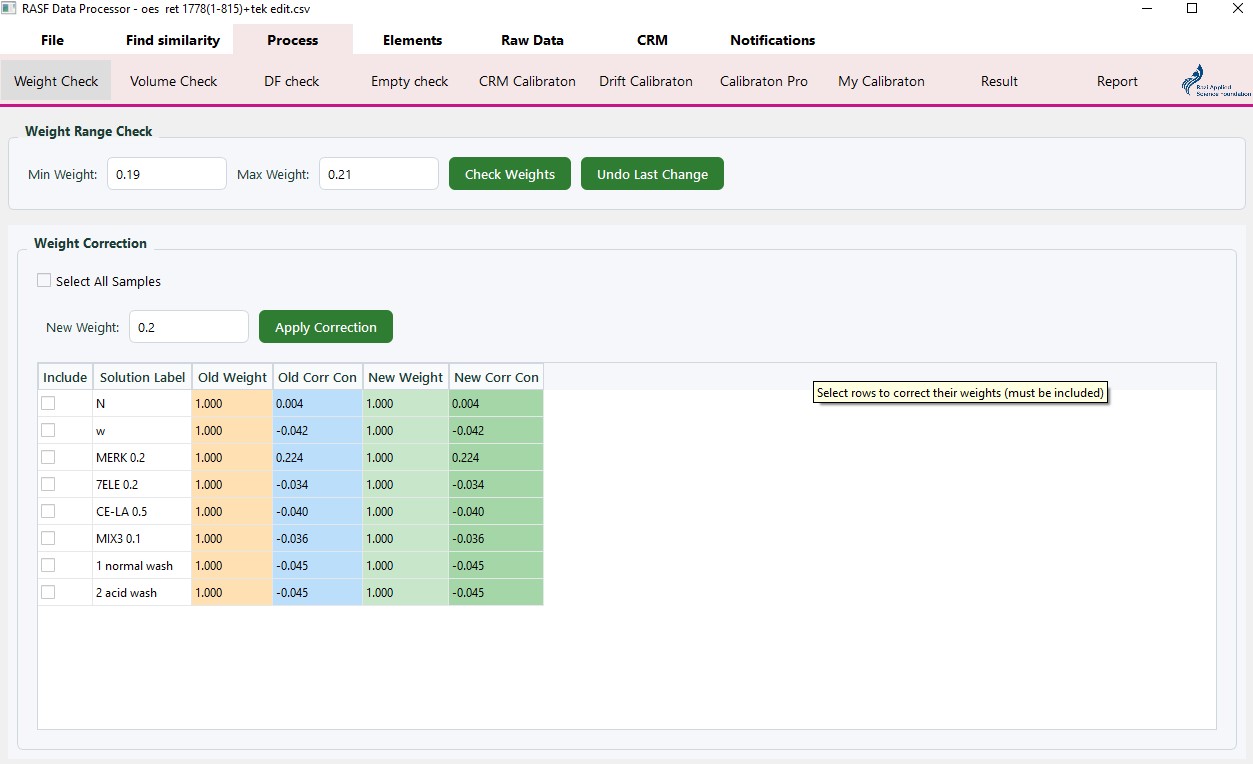
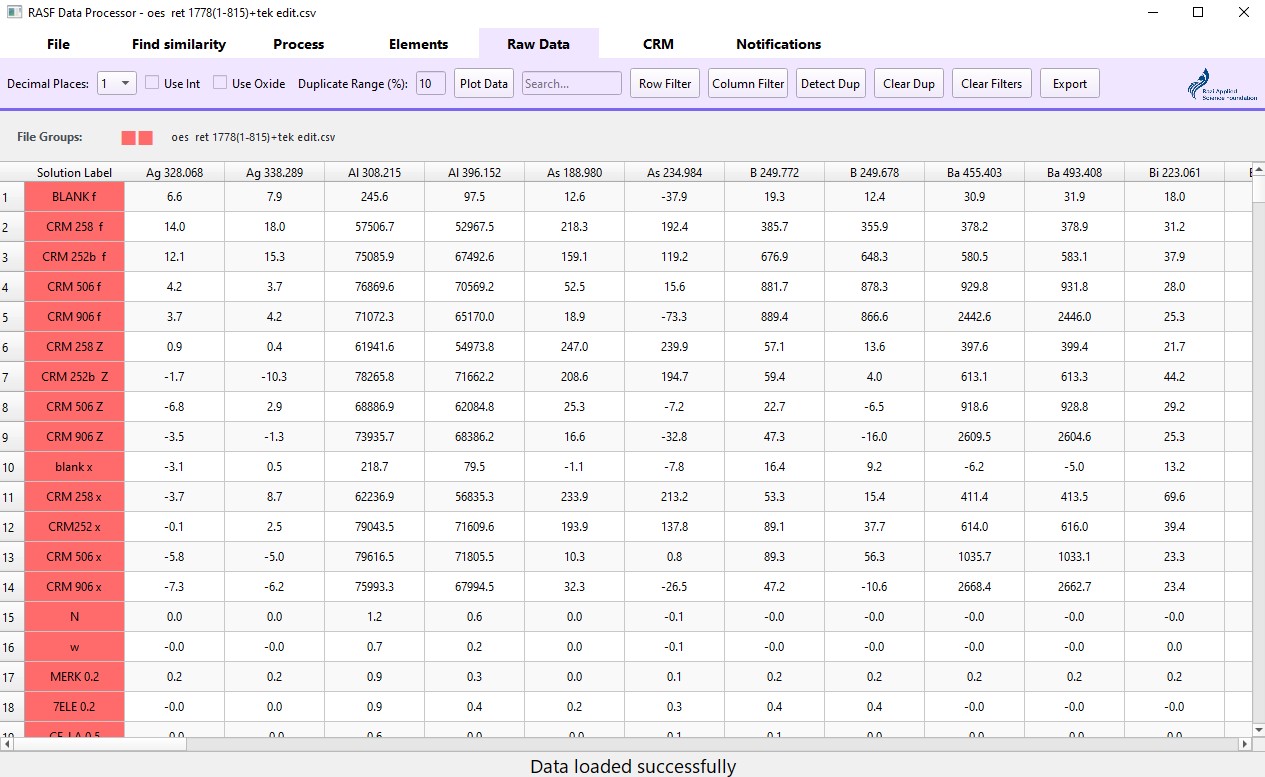
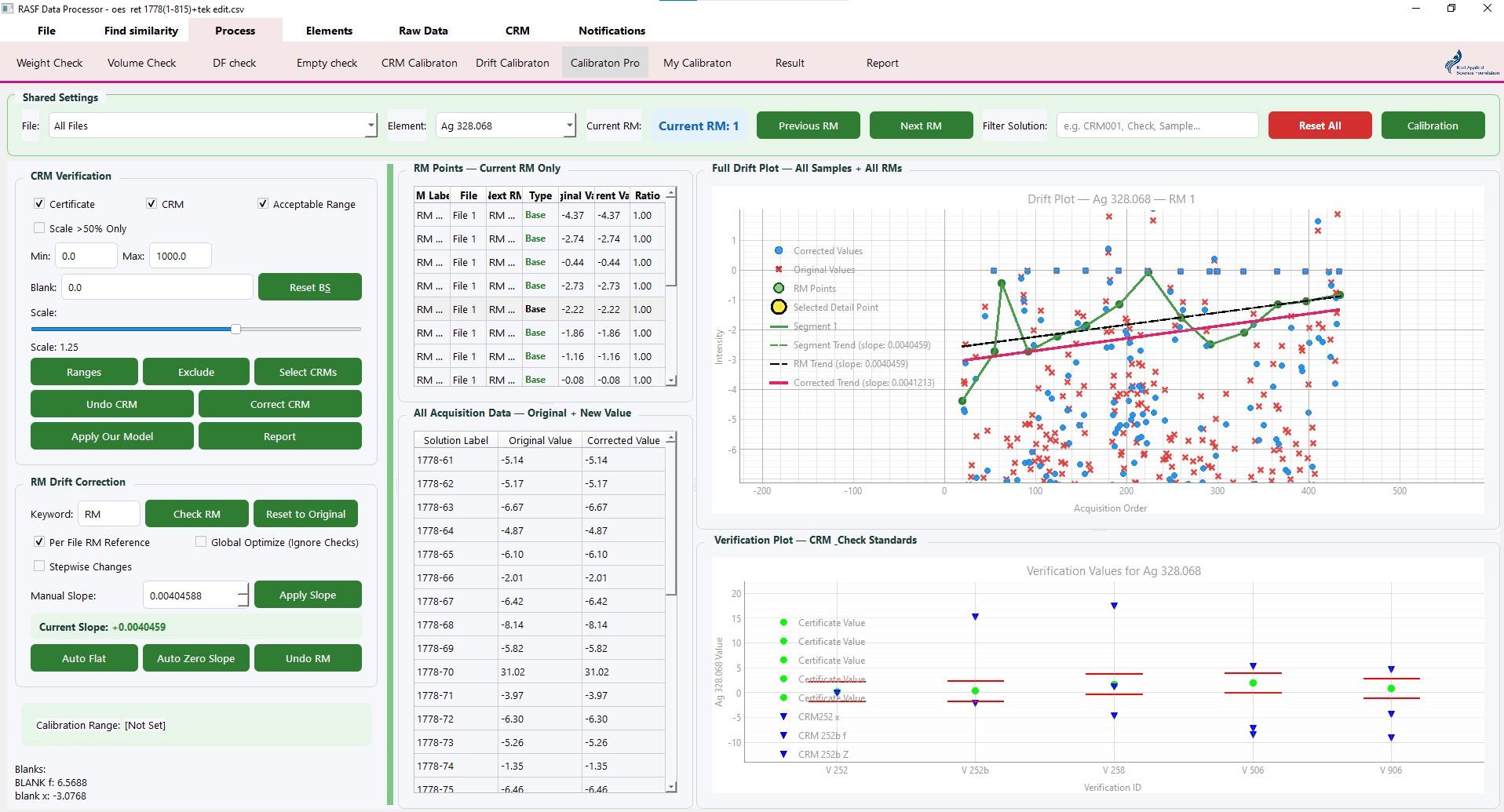
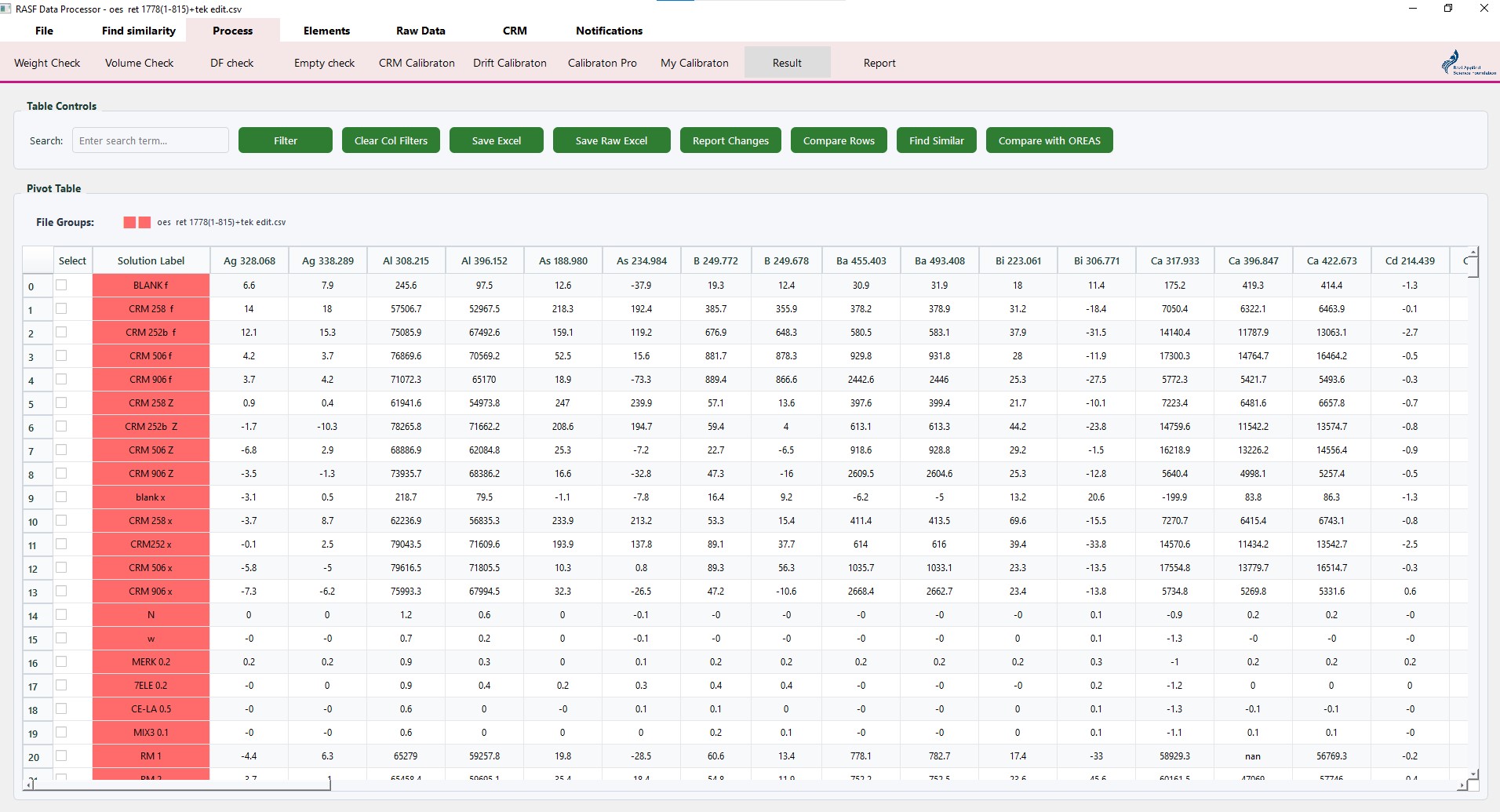
Raw analytical signals generated by ICP-OES and ICP-MS are processed through validated calibration models to produce accurate and traceable quantitative results. Calibration curves are established using certified calibration standards covering the required analytical range, while instrument performance is continuously verified through the analysis of blanks, quality control samples, and Certified Reference Materials (CRM). Measured sample responses are evaluated against calibration models and quality control criteria to identify systematic deviations, instrumental drift, matrix effects, and analytical bias. Where necessary, appropriate correction procedures are applied prior to final data reporting to ensure analytical accuracy and consistency.
Uncertainty Measurement and Analytical Method Validation
Analytical confidence is established through comprehensive method validation and measurement uncertainty assessment. Every stage of the analytical workflow, including sample preparation, digestion, calibration, instrumental measurement, and data processing, is evaluated to quantify potential sources of uncertainty and ensure reliable analytical performance. Method performance is routinely assessed using certified reference materials, quality control samples, duplicate analyses, and statistical evaluation procedures to verify analytical accuracy, precision, linearity, sensitivity, and long-term instrument stability.