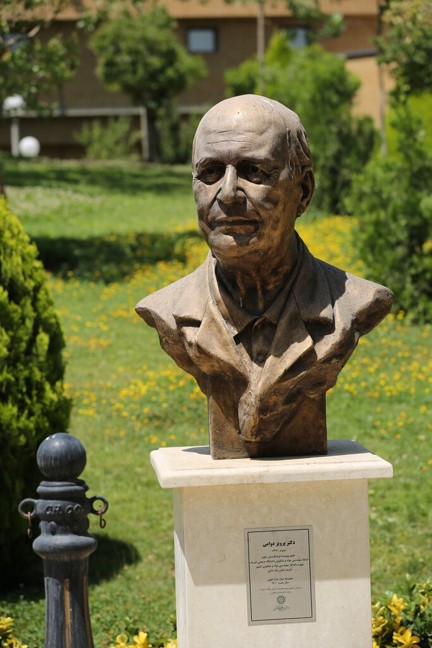
Dr.Parviz Davami was born on June 1, 1941, in Tehran, Iran. He is recognized as one of Iran’s most distinguished scholars and researchers in the fields of metallurgy and materials engineering. Throughout his career, he has played a major role in strengthening the connection between academia and industry in Iran.

Th statue of Dr.Parviz Davami in the courtyard of National Library of Iran

Education

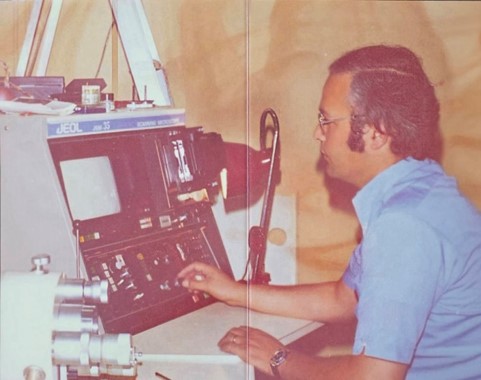
Dr. Parviz Davami in the MIT university laboratory
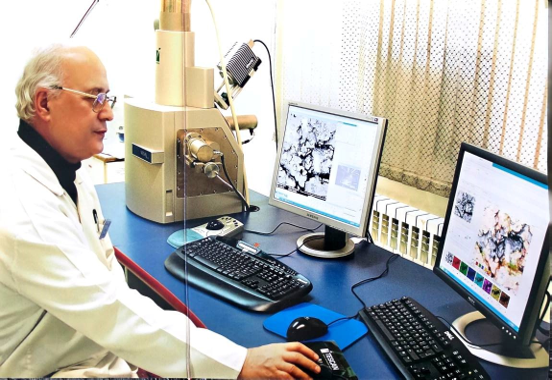
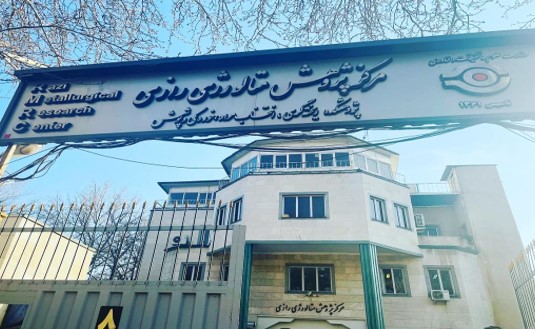
Dr. Parviz Davami in the SEM laboratory of the Razi Metallurgical Research Center

Dr.Parviz Davami received his bachelor’s degree in Metallurgical Engineering from the former Tehran Higher Industrial School, now known as Iran University of Science and Technology. He later continued his studies in the United Kingdom and earned his PhD in Materials and Metallurgical Engineering from the University of Leeds in 1973.

Academic Career

He began his academic and research career at Sharif University of Technology in 1965 and became one of the university’s most influential and respected professors over several decades.


His areas of expertise include:

  • Metallurgical Engineering
  • Metal Casting and Foundry Technology
  • Materials Science
  • Solidification and Metal Forming
  • Industrial and Applied Research
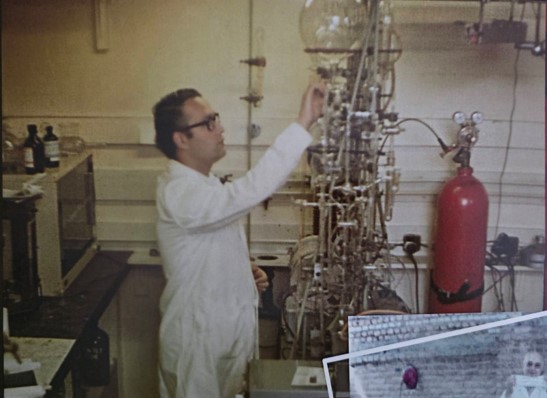
Dr. Parviz Davami in the laboratory at the University of Leeds

Executive and Professional Positions

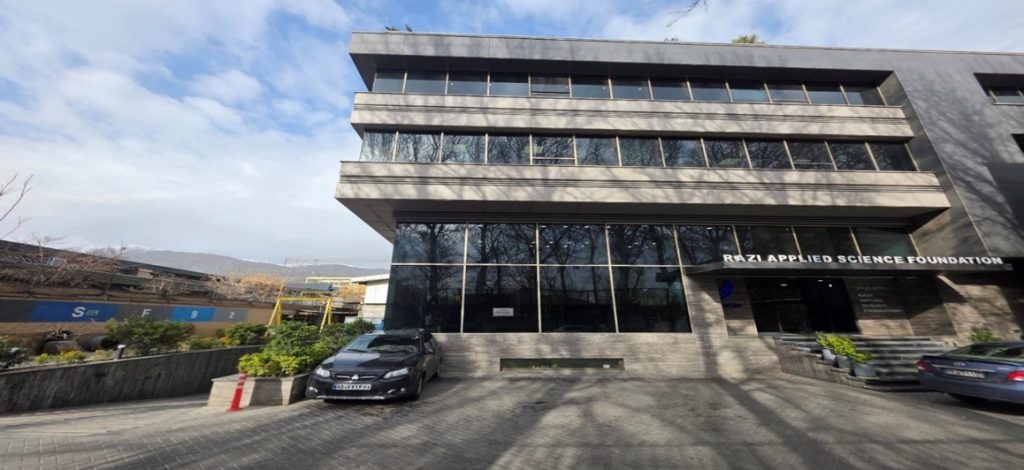
Razi Foundation of Applied Sciences
Razi Metallurgical Research Center

Dr.Parviz Davami has educated and mentored many generations of engineers and researchers in Iran.

Some of his most important executive and professional roles include:

  • CEO of Razi Metallurgical Research Center (1983–2013)
  • Founder of the Razi Applied Sciences Foundation
  • Permanent Member of the Iranian Academy of Sciences
  • Board Member and President of the Iranian Metallurgical Engineers Association
  • Active member of the Iranian Foundry Society
  • Scientific collaborator with major Iranian steel and manufacturing industries

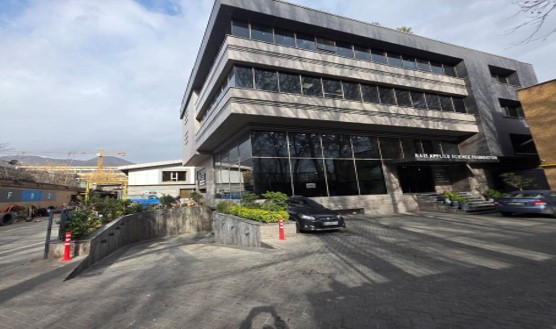
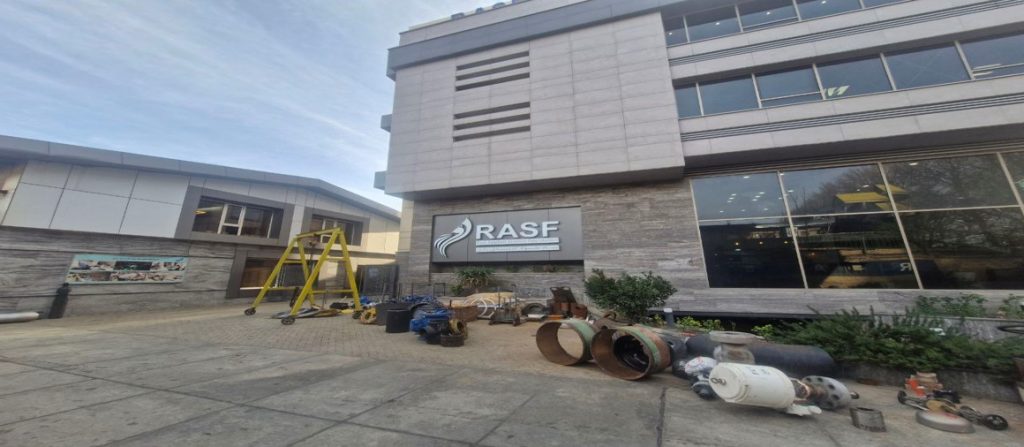
Razi Applied Science Foundation

Razi Foundation of Applied Sciences

Razi Applied Science Foundation is a private organization in the field of engineering sciences and technology, Located in Tehran. Our main activity is concentrated in the area of Metallurgy and more Specifically Metals, Polymer, Ceramics and Software Engineering.

We are involved in the R&D work and consultancy for many industrial sectors, problem solving, adapting new technologies, materials and technology optimization, industrial Processes simulation modeling in the field of metallurgy and providing laboratory services for our clients.

The foundation is also involved in Non-Technical research subjects, technology for sighting, Improved Human, Product and Process Productivity. The member of foundation have over 40 years experiences in providing services to Industries and other organizations in the field of Technology and R&D experiences. These research members are involved in cooperative research as well.

Our laboratories comply with ISO/IEC 17025 and certificate from IRAN Standard organization.
Reception

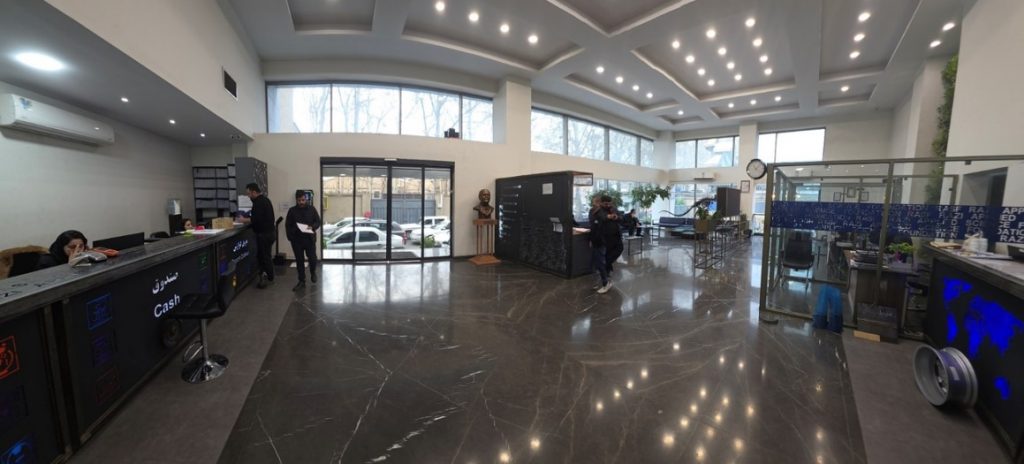
The Sample Reception function in the Research Unit is responsible for receiving, registering, and tracking samples submitted for research and industrial testing. This unit ensures proper documentation, traceability, and coordination between clients and laboratory sections throughout the testing process. To facilitate efficient access and timely service, the organization operates multiple regional representative offices, which act as sample submission points and client liaison centers. These offices collect and verify samples, provide technical guidance, and coordinate logistics with the central research laboratory, ensuring consistent quality, secure handling, and streamlined communication across all locations.

Designated storage areas are established for accepted samples to ensure proper organization and controlled conditions appropriate to each sample type. Measures are implemented to prevent damage, deterioration, contamination, or mix-up during storage.

Upon receipt, each sample is assigned a unique identification code, enabling full traceability throughout its lifecycle. All relevant information, including storage location, handling, and status, is systematically recorded to ensure that every accepted sample can be accurately tracked from receipt to final disposition in accordance with ISO/IEC 17025 requirements.