
A state-of-the-art gemology laboratory is characterized by its use of advanced, often automated analytical technologies for identification, authenticity verification, treatment detection, and origin determination of gemstones. The laboratory offers a comprehensive range of specialized services in the field of diamonds and colored gemstones as follows:
Diamond Testing Services (rough and polished diamonds)
- Diamond identification and type classification
- Authenticity determination (natural vs. synthetic diamond separation)
- Treatment detection (especially HPHT treatment)
- Cut and Color grading of polished diamonds
Colored Gemstone Testing Services
- Gemstone identification based on classical and advanced testing methods
- Authenticity determination
- Origin determination of emerald, ruby, and Baltic Amber
- Treatment detection
- Natural vs. cultured pearl identification
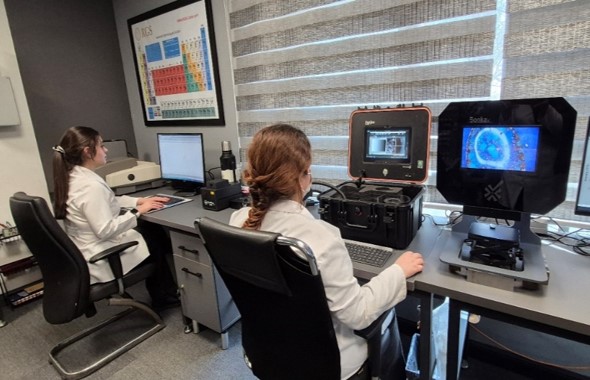
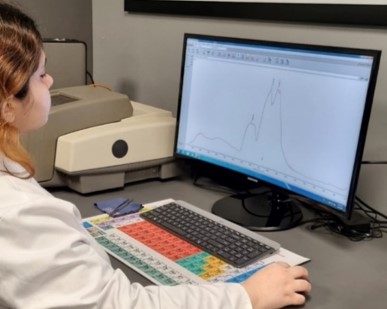
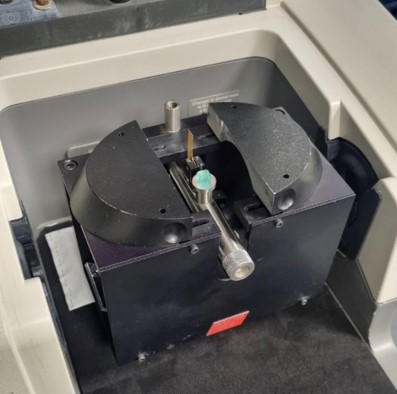
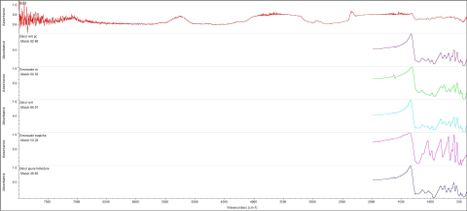
Fourier Transform Infrared (FTIR) Spectroscopy
Diamond Type Detection
Diamonds are classified into types Ia (IaA-IaB), Ib, IIa, and IIb, Based on the presence, concentration, and atomic configuration of impurities—primarily nitrogen and boron—within the carbon crystal lattice. This classification is determined through infrared (IR) spectroscopy. Since most synthetic diamonds belong to Type II (which contain little to no nitrogen), determining the diamond type can significantly aid in identifying its authenticity. Therefore, diamond type analysis helps assess whether a diamond is natural or laboratory-grown (HPHT or CVD).
Emerald Authenticity & Treatment Analysis
Verification of natural origin and identification of clarity enhancements. Precise detection of foreign substances within surface-reaching fissures is achieved using FTI spectroscopy, which distinguishes between polymers (resins) and oils used to fill fractures by identifying their unique spectral ‘fingerprints’.
Qualitative Mineral Identification
Rapid identification of unknown gemstone species by comparing their spectra against extensive reference libraries.
FTIR-Gemstones Identification and Authentication’
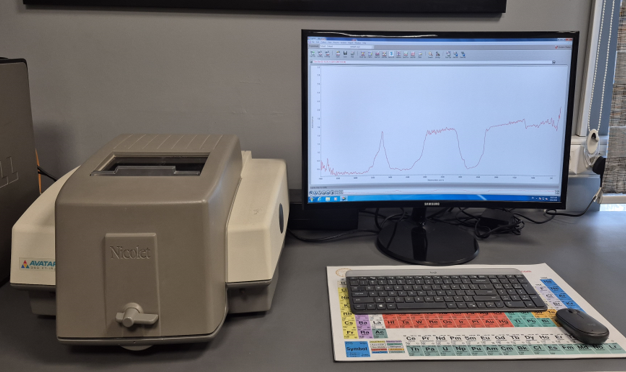
The advanced Gemology Laboratory utilizes high-precision, USA-made Fourier Transform Infrared (FT-IR) spectroscopy to provide definitive molecular characterization of gemstones. This facility is equipped with Thermo Scientific OMNIC™️ software, an advanced platform that enables non-destructive analysis, identifying gemstones and their treatments by detecting specific molecular vibrational patterns. Our laboratory serves as a critical center for distinguishing between natural, synthetic, and treated gemstones, ensuring the highest standards of integrity in the jewelry and gemstone industry.
Non-Destructive Protocol: All gemological testing is performed without altering the physical or chemical integrity of the specimen, which is essential for precious stones.
Gemological UV-Vis-NIR Spectroscopy
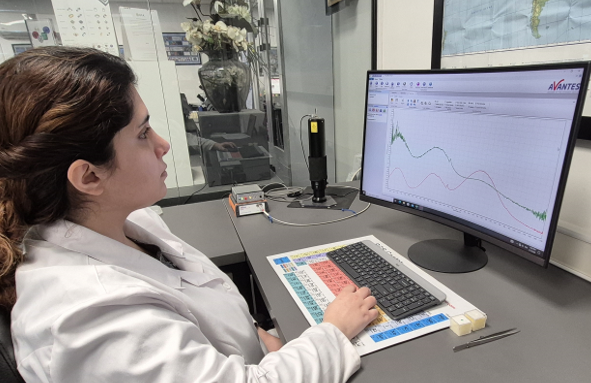
UV–Vis–NIR (SSEF) spectroscopy is a non-destructive analytical technique widely used in gemology, particularly at the advanced Gemological Institutes.
This method measures light absorption in the ultraviolet, visible, and near-infrared regions of the spectrum, providing valuable information about chromophore elements, crystal structure, and the formation conditions of gemstones.
The resulting absorption patterns act as spectral fingerprints and are essential for gemstone identification, determination of origin, detection of treatments such as heating or irradiation, and differentiation between natural and synthetic stones.
Gemological Raman & Photoluminescence Spectroscopy
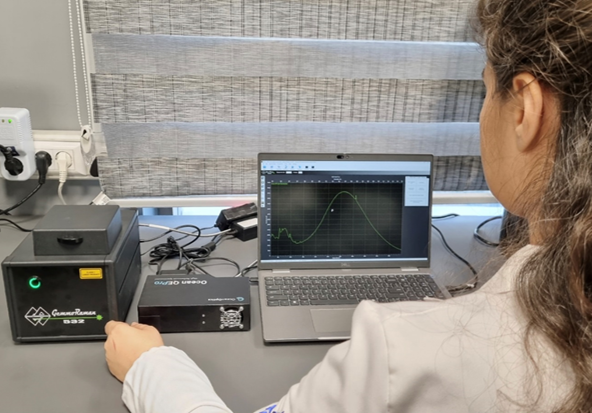
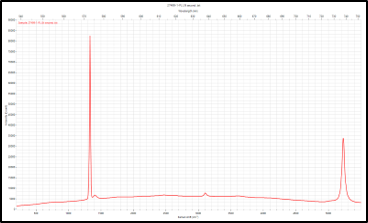
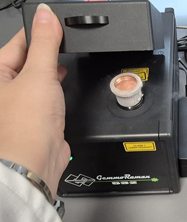
The advanced Gemology Laboratory provides high-speed, reliable, and non-destructive material characterization through advanced Raman and Photoluminescence (PL) spectrometry. This facility is specifically developed for the rapid identification of gemstones, the separation of synthetic materials, and the detection of treatments or color enhancements.
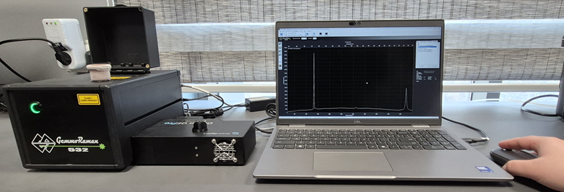
The laboratory utilizes the GemmoRaman-532™️ system, which features an automatic optical focusing system and dedicated software to acquire optimized spectra and match them against extensive spectral libraries. This ensures that analysis is both accurate and efficient, supporting the needs of modern gemological identification and quality control.
Gemological Raman & Photoluminescence Spectroscopy
Raman Fingerprint Analysis
Identification of gemological materials based on their unique structural “fingerprint” (Wavenumber Range: 245–1600 cm⁻¹).
Photoluminescence (PL) Spectrometry
Study of trace elements, color variety, and separation of natural from synthetic gems. (Spectral Range: 200–4500 cm⁻¹).
Capabilities:
- Detection of HPHT treatment in colorless natural diamonds (in liquid nitrogen temperature).
- Detection of trace elements such as Chromium, Manganese, or Rare Earth Elements (REE).
- Determining color origin in organic materials like red coral and conch pearls.
- Identification of specialized gems.
Portable LIBS Analysis
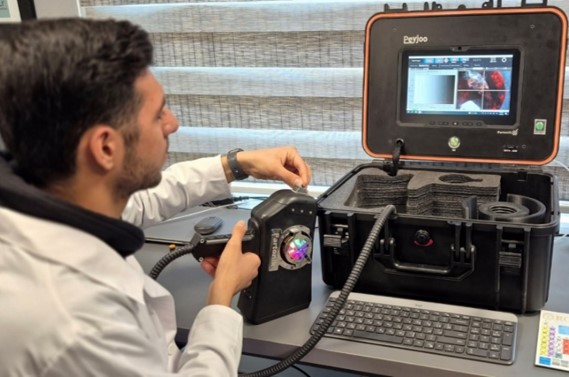
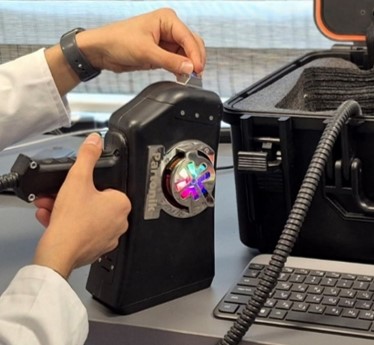
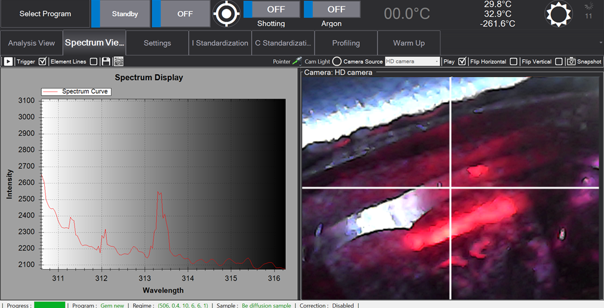
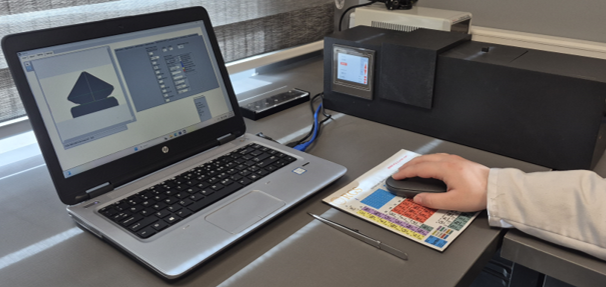
A portable Laser-Induced Breakdown Spectroscopy (LIBS) device is a compact analytical instrument used for rapid elemental analysis of materials. It operates by focusing a single-plus high-energy Nd:YAG 1064 nm laser to vaporize a microscopic area of a sample at high temperature and the sputtered particles are broken down into a mixture of atoms, ions, and electrons.
Portable LIBS systems enable real-time, in situ, and with minimally destructive analysis and minimal sample preparation, making them especially useful in geology, mineral exploration, metallurgy, environmental studies, and cultural heritage investigations. Their mobility, speed, and ability to analyze full range of major, minor, and trace elements simultaneously and its low cost and easy operation have attracted the interest of several gem laboratories.
Portable LIBS Analysis
Its ability to analyze all elements, including light elements such as Li, Be, B, Cs, and Cl, makes it particularly valuable for:
- Origin determination of Emeralds and Paraiba tourmaline
- Beryllium diffusion detection in Ruby and Sapphire
- Identification of mineral species in tourmaline, garnet, and other solid-solution systems
Bench-Top LIBS Analysis
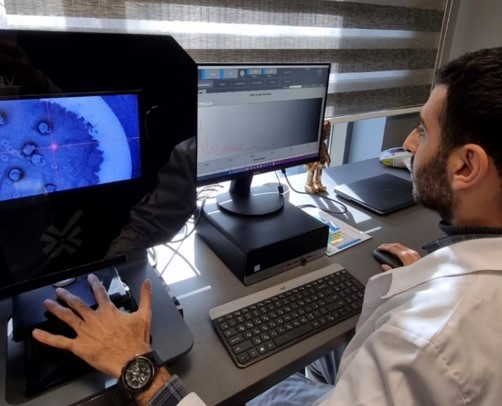
A bench-top Laser-Induced Breakdown Spectroscopy (LIBS) system is a laboratory-based analytical instrument used for high-precision elemental analysis. It employs a high-energy Nd:YAG 1064 nm laser to ablate a microscopic area of a prepared sample, generating a high-temperature plasma composed of atoms, ions, and electrons.
Owing to its stable optical configuration and controlled measurement conditions, bench-top LIBS enables reliable quantitative and semi-quantitative analysis of major, minor, and trace elements, including light elements such as Li, Be, B, Cs, and Cl.
LA-ICP-MS
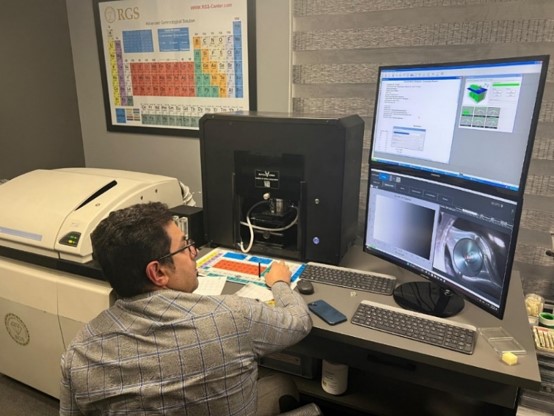
LA-ICP-MS (Laser Ablation—Inductively Coupled Plasma—Mass Spectrometry) is an analytical technique used to determine the elemental and isotopic composition of solid materials. The technique enables precise measurement of trace and ultra-trace elements, often at ppm to ppb levels. Major advantages of LA-ICP-MS include minimal sample preparation, high sensitivity, rapid analysis, and the ability to perform spatially resolved microanalysis with limited sample destruction.
This method is widely applied in geochemistry, materials science, environmental studies, and gemology. In gemology, it is used to determine trace element composition for source determination of gemstones such as emerald, corundum, and pearl; to detect some treatments, such as beryllium (Be) diffusion, and to distinguish natural from synthetic gemstones.
LA-ICP-MS (Origin Determination of Gemstones)
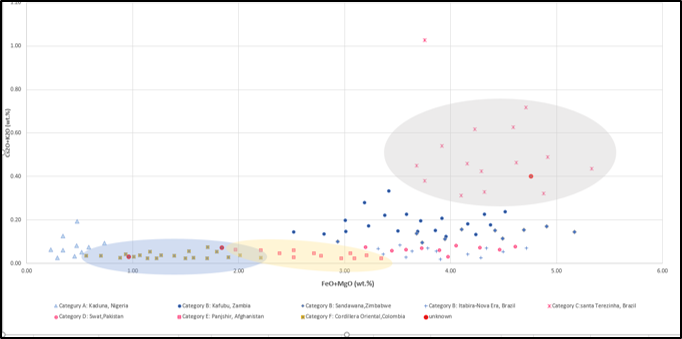
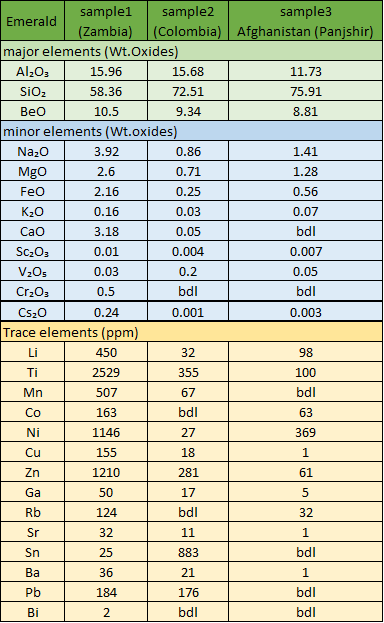
Determining origin is often difficult without reliable analytical data. For example, Emeralds from different localities (e.g., Colombia, Zambia, Brazil, Afghanistan) have distinct chemical “fingerprints” that reflect the unique conditions of their formation. By measuring major, minor, and trace elements at micro-scale resolution, LA-ICP-MS can identify subtle differences between gemstones, and support reliable origin determination. This technique provides rapid, precise, and minimally destructive analysis, making it a powerful tool for gemologists in determining the origin of gemstones.
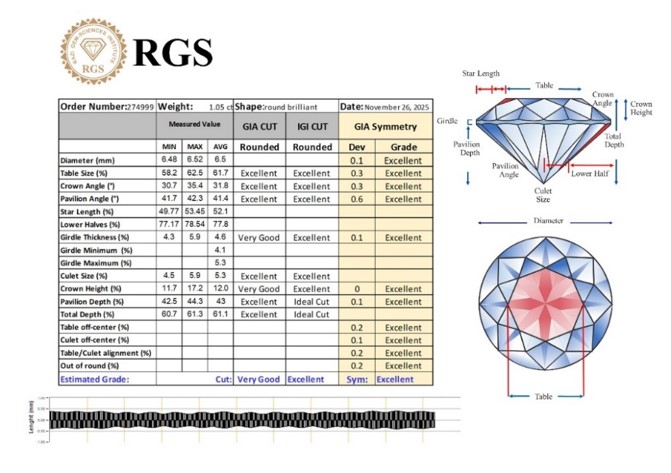
RGS Diamond Cut Grader Unit
The automated diamond cut grading system is designed to evaluate and grade the cut quality of brilliant-cut diamonds by measuring their dimensions, angles, and proportions with high precision. This system provides accurate cut grade assessments for diamonds. It has been developed by RGS and is specifically used for grading brilliant-cut diamonds, offering a modern solution for manufacturers, retailers, and laboratories.
RGS Diamond Color Grading
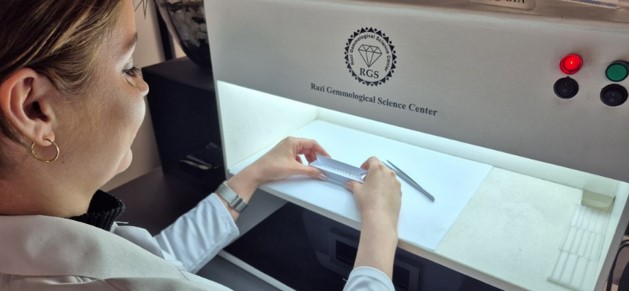
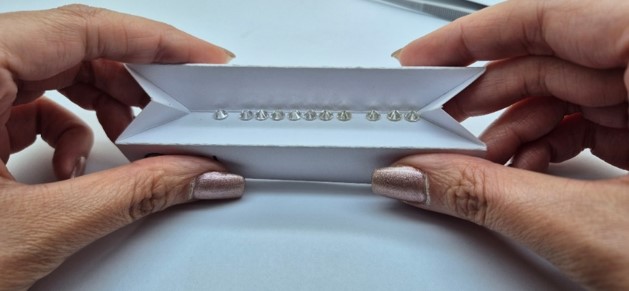
The RGS laboratory uses a GIA-certified natural diamonds master stones to color grading. Color grading is one of the most critical factors in determining a diamond’s beauty and value. The subtle differences between grades especially in the near-colorless range can be extremely difficult to detect without proper comparison. This is why having a master color stone is essential.
On the other hand to produce consistent and repeatable color-grading results, it is needed to have a standardized viewing environment. The RGS stablished a Light Box which provides a viewing environment that combines standard daylight conditions optimized by fluorescent lighting with customized LED illumination.
RGS Diamond Luminescence Imaging
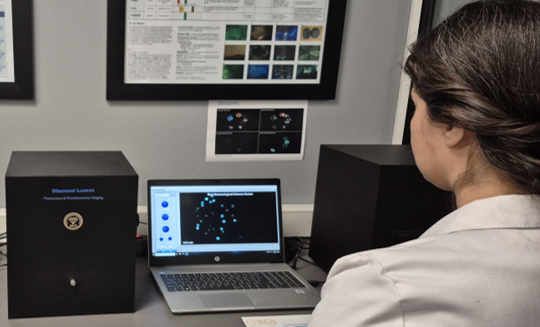
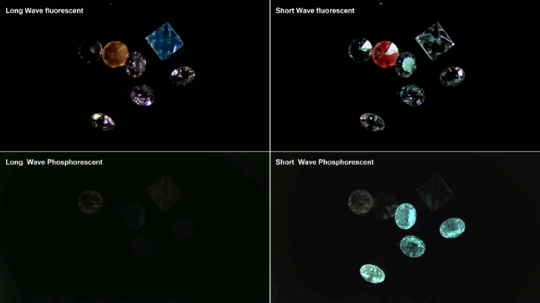
The automated diamond fluorescence and phosphorescence imaging system is designed to observe the fluorescence and phosphorescence properties of diamonds in a fully controlled, dark environment. It captures high-resolution images in UV light (long wave 365 nm and short wave 254 nm) that can be viewed directly on a laptop. This system has been developed by RGS.
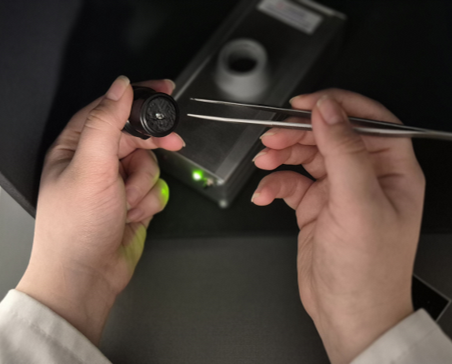
Diamond Spotter
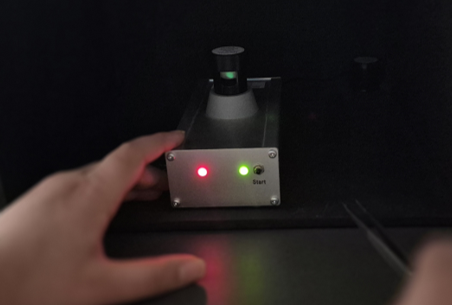
The Diamond Spotter is a compact, non-destructive screening device developed by SSEF (Swiss Gemological Institute) for rapid identification of Type II diamonds. It operates using short-wave UV (SWUV) light, based on the different UV transmission behavior of diamond types: Type I diamonds absorb the light, while Type II diamonds transmit it.
Capabilities:
- Suitable for both rough and cut stones
- The Diamond Spotter helps distinguish natural from synthetic diamonds
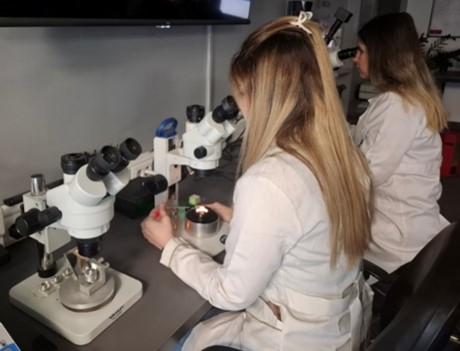
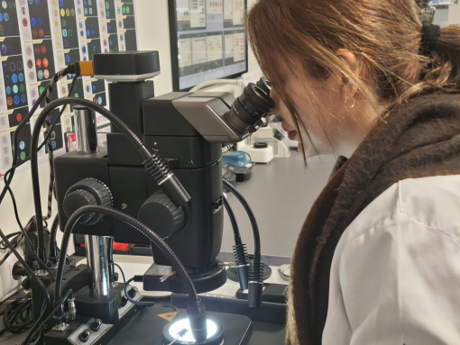
RGS Gemological Microscopes
The laboratory is equipped with various makes and model of stereo binocular microscope but they all have the same basic components. These microscopes provide stereo (three-dimensional) viewing, standard gemological magnification, and specialized illumination systems such as dark field and oblique lighting, enabling clear observation of internal and surface features of gem materials.
Gemological Immersion Microscopes
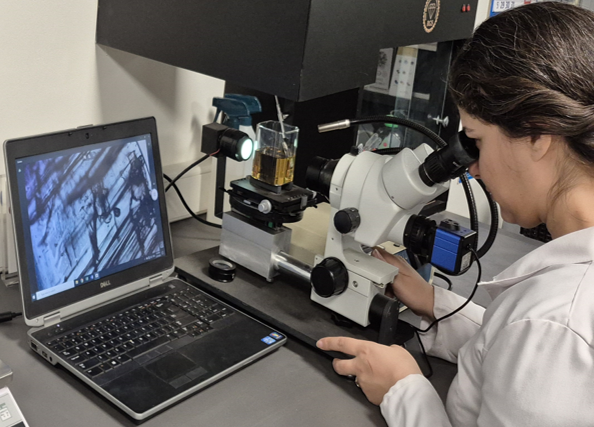
RGS has developed and constructed an immersion microscope, a gemological instrument designed to examine gemstones while they are submerged in a liquid with a refractive index close to that of the stone. This technique reduces surface reflections and refraction, allowing internal features such as inclusions, growth and color zoning, internal strain, and treatment-related characteristics to be observed with greater clarity.
Classic Gemological Instruments
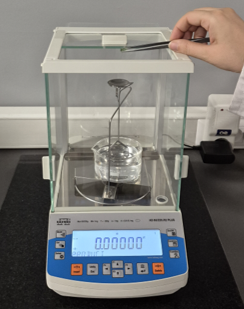
Precision Balance
The AS 60/220.R2 PLUS Analytical Balance, manufactured by Radwag (a precision balance maker from Poland), offers high-precision measurement of gemstone specific gravity. Using hydrostatic weighing, accurately determines density, essential for distinguishing gemstones with similar appearances and ensuring reliable identification.
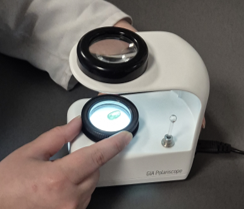
Refractometer
The GIA Refractometer (from the Gemological Institute of America) provides accurate measurement of a gem’s refractive index (RI). Its use is essential for any gemological laboratory.
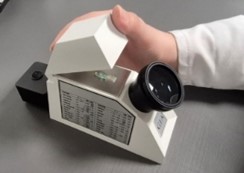
Polariscope
The polariscope is a fundamental gemological tool used to observe a gem’s internal optical behavior using polarized light. At RGS, we use the GIA Polariscope as a visual, non-destructive instrument for studying the internal structure of gem materials.
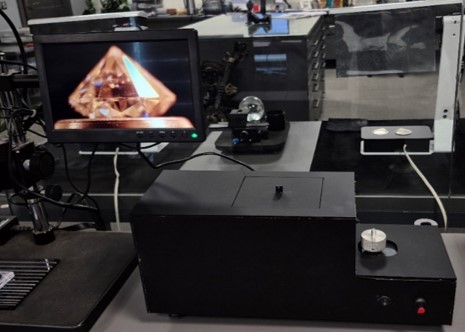
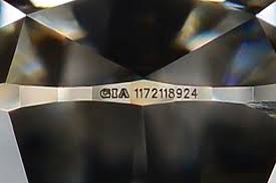
Diamond ID Viewer
RGS diamond ID viewer is a digital microscope designed for viewing and reading laser-engraved certificate numbers on diamonds. It features a high-definition display for clear and precise visualization of inscriptions from GIA, IGI, and HRD certificates. The device is user-friendly and portable. It is essential tool for checking the diamond’s laser inscription and verifying it against its certificate, ensuring authenticity and accurate identification.
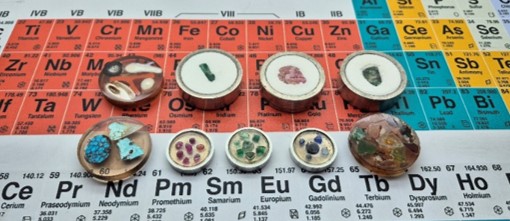
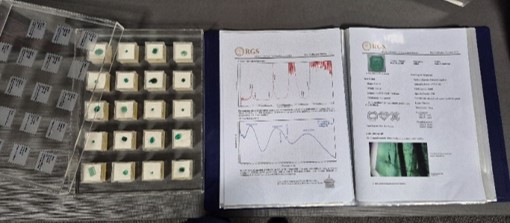
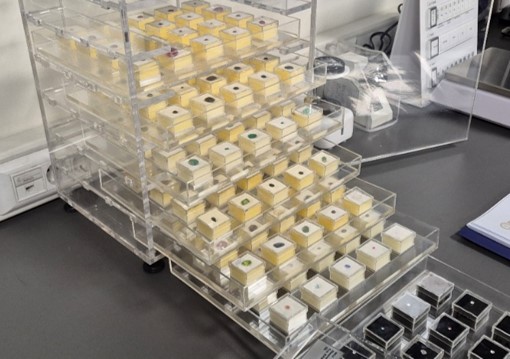
Data Base and Calibration Samples
In the world’s advanced gemological laboratories, having a database of colored gemstones and diamonds is extremely important, as the databases of leading gemological institutions are not available for purchase or public access. Razi Gem-Sciences Institute has been committed to creating this database since its establishment. This database includes all tests of classical and advanced gemological tests. With this valuable database, RGS utilizes it not only for gemstone analysis but also as educational samples and in research.
One of the most significant research areas at RGS is gemstone origin determination. Origin determination focuses on identifying the geological and geographical source of gemstones and constitutes a significant part of our database.