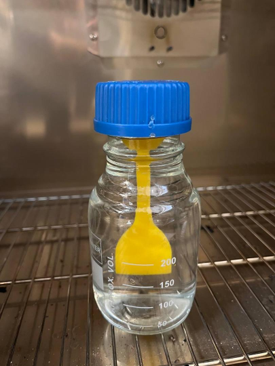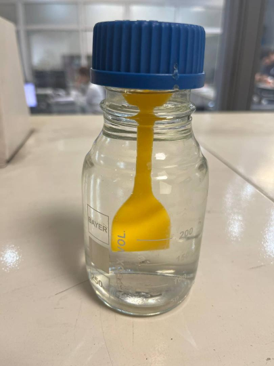
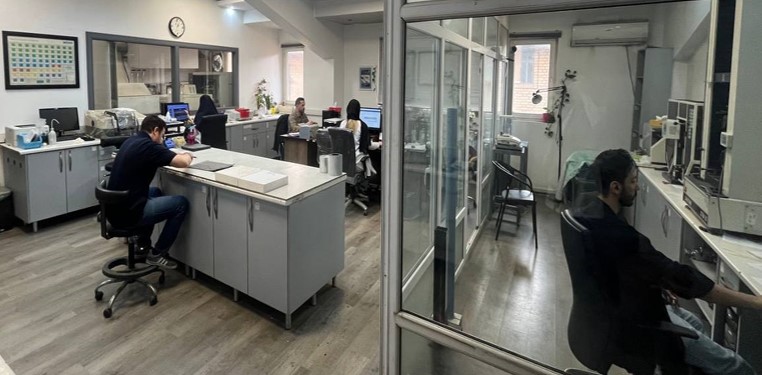
The Polymer Laboratory, equipped with advanced instruments and staffed by specialized experts, provides comprehensive testing, identification, and analysis services for polymeric materials, plastics, polymer composites, rubbers, and lubricants for both industrial and research applications. The laboratory is proficient in evaluating mechanical properties, including tensile, flexural, compressive, hardness, impact, rebound, abrasion, rubber-to-metal adhesion, and rubber pressure retention. In addition, it assesses physical and thermal properties, such as density, weight and volume changes, thermal resistance, HDT and VICAT, UV and Xenon aging tests, as well as viscosity, gloss, and color measurements of coatings.
The laboratory is equipped with advanced thermal and chemical analysis instruments, including DSC, TGA, and FTIR, enabling precise determination of material composition, filler content, and carbon black levels in plastics, composites, and rubbers. All tests are conducted in accordance with national and international standards, and the laboratory’s services support quality control, research and development (R&D), and optimization of formulations and performance of polymeric materials and lubricants.
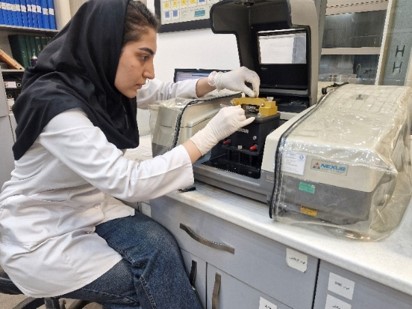
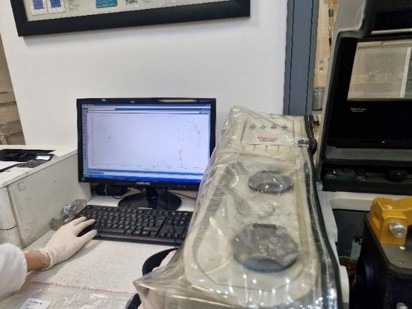
General Techniques for Obtaining Infrared Spectra for Qualitative Analysis
Purpose: Identification of chemical structure and functional groups of polymers, and comparison of unknown samples with reference materials to verify polymer type and composition.
Standards:
ASTM E1252, ASTM D3677
Measured Properties
- Functional Groups:
Identification of chemical groups present in the polymer chain, such as –OH, –COOH, –C=O, –CH₃, –CH₂–, etc.
Displayed as absorption peaks in the IR spectrum. - IR Absorption Spectrum:
Graph of infrared light absorption versus frequency or wavenumber (cm⁻¹).
Provides qualitative information about the type of bonds and polymer structure. - Reference Spectrum Comparison:
Comparison of the spectrum of an unknown sample with that of known reference materials to determine the polymer type. - Peak Intensity and Position:
Intensity of peaks indicates the density or concentration of functional groups.
Position of peaks is used to identify bond types and chemical structure.
- Additives / Fillers Detection:
Identification of the effects of additives, pigments, or fillers in the IR spectrum.
Thermogravimetric Analysis (TGA) Test
Purpose: Determination of weight changes in polymers upon heating to evaluate thermal stability, decomposition temperature, and the content of additives and fillers.
Standards:
ASTM E1131, ASTM D3850, ISO 11358-1 & 2, DIN 51006
Measured Properties
- Weight Loss / Mass Change:
Quantification of the sample’s mass reduction or gain under heating or controlled conditions.
Units: % or g - Onset Decomposition Temperature (Tonset):
Temperature at which the sample begins thermal decomposition or noticeable mass loss.
Units: °C - Peak Decomposition Temperature / Tmax:
Temperature corresponding to the maximum rate of mass loss during decomposition.
Units: °C - Stepwise Decomposition / Multi-step Decomposition:
Identification of successive thermal degradation stages of the polymer matrix, additives, or fillers. - Residue / Char Content:
Mass remaining after complete thermal decomposition, typically used to evaluate mineral content, fillers, or residual carbon. - Rate of Mass Loss / dm/dt:
Derived from the DTG (Derivative Thermogravimetry) curve, providing detailed
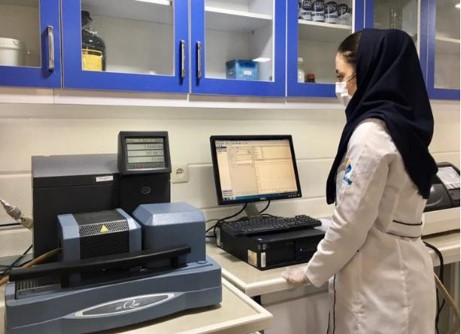
Plastics – Differential scanning calorimetry (DSC)
Purpose: Differential scanning calorimetry (DSC) methods are used for the thermal analysis of polymers and polymer blends.
Standards:
ASTM D3418, ISO 11357
Measured Properties
Differential scanning calorimetry (DSC) methods are used for the thermal analysis of polymers and polymer blends, such as:
- Thermoplastics (polymers, molding compounds and other molding materials, with or without fillers, fibers or reinforcements),
- Thermosets (uncured or cured materials, with or without fillers, fibers or reinforcements), and
- Physical transitions (glass transition, phase transitions such as melting and crystallization,
• Polymorphic transitions, etc.), - Chemical reactions (polymerization, crosslinking and curing of elastomers and thermosets, etc.),
- The stability to oxidation, and
- The heat capacity
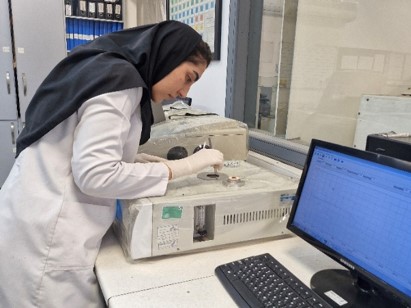
Operating Fluorescent Ultraviolet (UV) Lamp Apparatus for Exposure of Materials
Purpose: Assessment of materials’ resistance (plastics, rubbers, coatings, and paints) to UV-induced aging and degradation under simulated weathering conditions.
Standard
ASTM G154
Measured Properties
- Color Change (ΔE):
Measurement of sample color variation using a spectrophotometer or visual method.
Units: ΔE (CIE Lab) - Gloss / Surface Appearance:
Decrease or increase in the surface gloss of the sample.
Units: GU (Gloss Units) - Cracking / Surface Degradation:
Observation and recording of the extent of surface cracking, flaking, or fragmentation. - Mechanical Property Degradation:
Reduction in tensile strength, elastic modulus, flexibility, or hardness. - Weight Loss / Mass Change:
Decrease in sample mass due to surface decomposition or volatilization of materials.
Units: g or % - Depth of Degradation / Surface Roughness:
Measurement of the thickness of the damaged layer or changes in surface roughness.
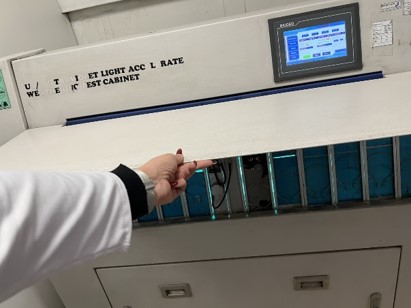
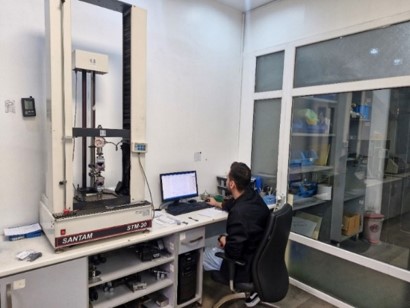
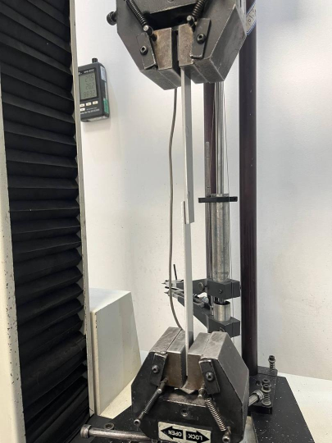
Tensile properties
Purpose: Determination of fundamental mechanical properties under uniaxial loading.
Standards:
Rubber, vulcanized or thermoplastic
ASTM D412, ISO 37, PSA D41 1099, KES B-L006
Plastics
ASTM D638, ISO 527-1 & 2 & 3 & 4 & 5, ISO 6259-1 & 2 & 3, ASTM D6693, ISO 13953, ASTM D4595, ASTM D4894, ASTM D4632, ASTM D3039, ASTM D882
Measured Properties
- Yield tensile strength (YS)
- Ultimate tensile strength (UTS)
- Elongation
- Elastic modulus
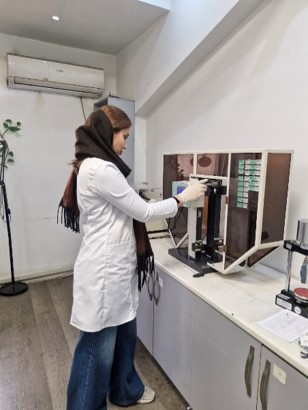
Charpy & IZOD Impact Test
Purpose: Evaluation of the toughness and resistance of materials.
Standards:
ASTM D6110, ISO 179-1, ASTM D256, ISO 180
Capabilities
- Ambient temperature testing
- Cryogenic testing down to −40 °C
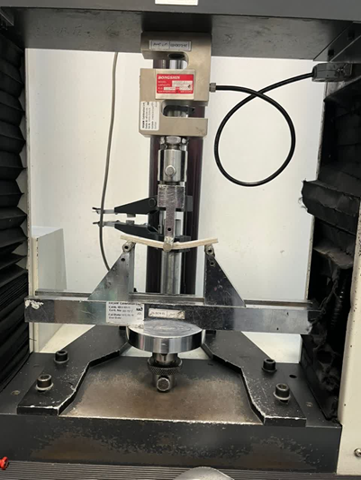
Flexural Properties
Purpose: The method is used to investigate the flexural behavior of the test specimens and to determine the flexural strength, flexural modulus and other aspects of the flexural stress/strain relationship under the conditions defined. It applies to a freely supported beam, loaded at midspan (three-point loading test)
Standards:
ASTM D790, ISO 178, ASTM C651
Measured Properties
- Flexural strength
- Flexural modulus
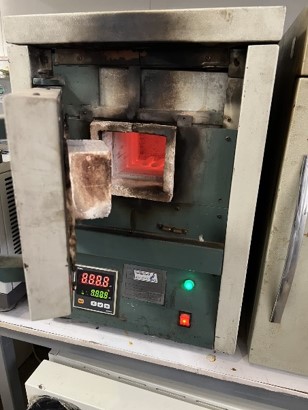
Ignition Loss of Cured Reinforced Resins
Purpose: This test method covers the determination of the ignition
loss of cured reinforced resins.
Standard:
ASTM D2584
Measured Properties
- Determination of percentage fibers
Ash Content in Plastics & Rubber products
Purpose: This test method was developed to determine the inorganic content of plastics and rubber products by destructive ashing procedures
Standards:
ASTM D5630, ASTM D297
Measured Properties
- Determination of Ash content
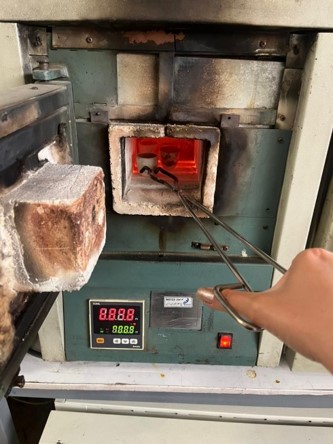
Plastics – Thermoplastic materials – Determination of Vicat softening temperature (VST)
Purpose: The determination of the Vicat softening temperature (VST) of thermoplastic materials:
- Method A50 using a force of 10 N and a heating rate of 50 °C/h
• Method B50 using a force of 50 N and a heating rate of 50 °C/h
• Method A120 using a force of 10 N and a heating rate of 120 °C/h
• Method B120 using a force of 50 N and a heating rate of 120 °C/h
Standards:
ASTM D1525, ISO 306
Measured Properties
- Determination of the Vicat softening temperature (VST) of thermoplastic materials
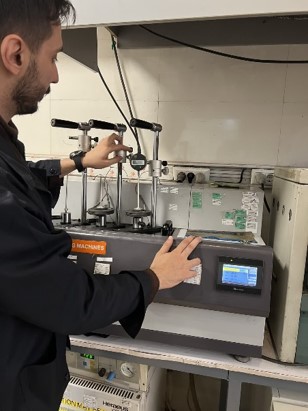
Plastics – Determination of temperature of deflection under load (HDT Test)
Purpose: The determination of the temperature of deflection under load (flexural stress under three-point loading) of plastics. Different types of test specimen and different constant loads are defined to suit different types of material.
Standards:
ASTM D648, ISO 75-1 & 2 & 3
Measured Properties
determination of the temperature of deflection under load (flexural stress under three-point loading)of plastics
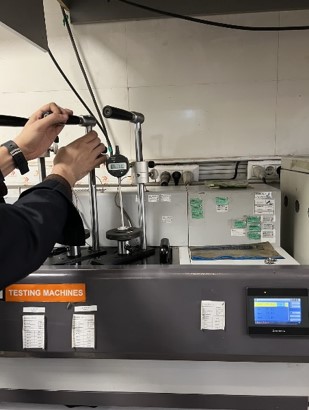
Plastics & Rubber, vulcanized or thermoplastic – Determination of compressive properties
Purpose: The method is used to investigate the compressive behavior of the test specimens and for determining the compressive strength, compressive modulus and other aspects of the compressive stress/strain relationship under the conditions defined.
Standards:
Rubber, vulcanized or thermoplastic
ASTM D575
Plastics
ASTM D695, ISO 604, ASTM C695, ASTM D1621, ISO 844
Measured Properties
- Compressive strength at Yield point
- Compressive strength at break point
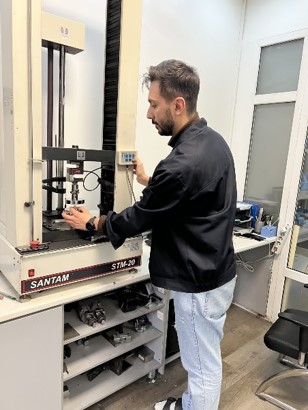
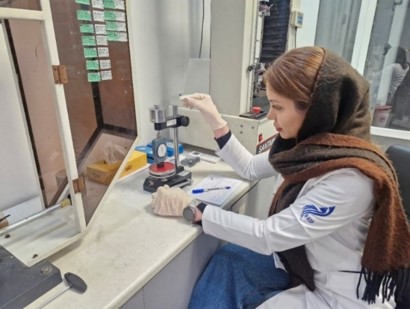
Plastics and ebonite – Determination of indentation hardness by means of a durometer (Shore hardness)
Purpose: The determination of the indentation hardness of plastics and ebonite by means of durometers of two types: type A is used for softer materials and type D for harder materials. The method permits measurement either of the initial indentation or of the indentation after a specified period of time, or both.
Standards:
ASTM D2240, ISO 868, ASTM 48-4, DIN 53505
Measured Properties
- 20 to 90 Shore A
- 20 to 90 Shore D
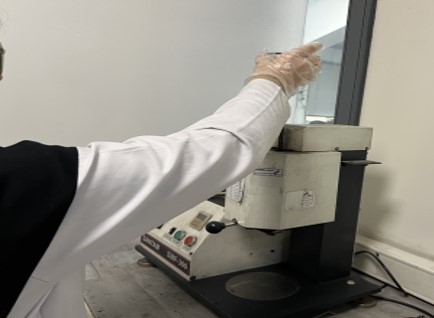
Plastics – Determination of the melt mass-flow rate (MFR) and melt volume-flow rate (MVR) of thermoplastics
Purpose: The determination of the melt mass-flow rate (MFR) and the melt volume-flow rate (MVR) of thermoplastic materials under specified conditions of temperature and load. Procedure A is a mass-measurement method. Procedure B is a displacement- measurement method. Normally, the test conditions for measurement of melt flow rate are specified in the material standard with a reference to this document.
Standards:
ASTM D1238, ISO 1133-1 & 2
Measured Properties
- Measurement of Melt Flow Rate (MFR) in grams per 10 minutes
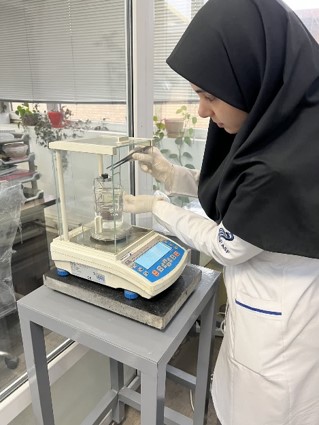
Plastics & Rubber, vulcanized or thermoplastic – Methods for determining the density of non-cellular and cellular plastics & Rubber, vulcanized or thermoplastic
Purpose: Density measurement of for quality control, ensuring material uniformity, and monitoring structural or compositional variations
Standards for non-cellular plastics
ASTM D792, ISO 1183
Standards for cellular plastics
ASTM D1622, ISO 845, ASTM D3575
Standards for Rubber, vulcanized or thermoplastic
ISO 2781, ASTM D297
Measured Properties
- Determination of the material density in grams per cubic centimeter (g/cm³) or kilograms per cubic meter (kg/m³)
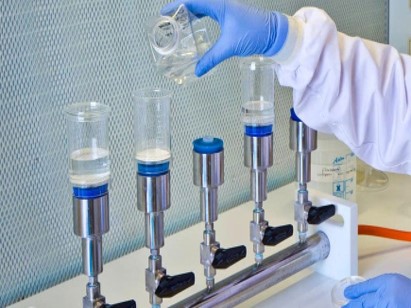
Plastics – Determination of water absorption
Purpose: Determination of water absorption in plastics to assess dimensional stability, material uniformity, and potential changes in mechanical and physical properties
Standards for non-cellular plastics
ASTM D570, ISO 62, ASTM C272
Measured Properties
- Water Absorption (%)
Rubber, vulcanized or thermoplastic – Determination of compression set
Purpose: Determination of water absorption in plastics to assess dimensional stability, material uniformity, and potential changes in mechanical and physical properties.
Capabilities
- At ambient or elevated temperatures to 300°C
- At low temperatures to -40°C
Standards
ASTM D395, ISO 815-1 & 2, ASTM D1055, DIN 53517
Measured Properties
- Compression Set(%)
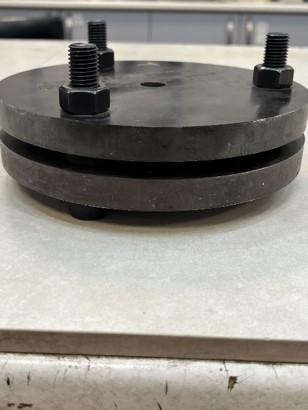
Rubber Property -Adhesion to Rigid Substrates
Purpose: Determination of the adhesion of rubber to metals, rigid plastics, or other non-elastic substrates.
Standards
ASTM D429, ISO 2411, ISO 11339
Measured Properties
- The force required to detach the rubber from the substrate (metal, rigid plastic, or other non-elastic surfaces). Typical units: N/mm or kP
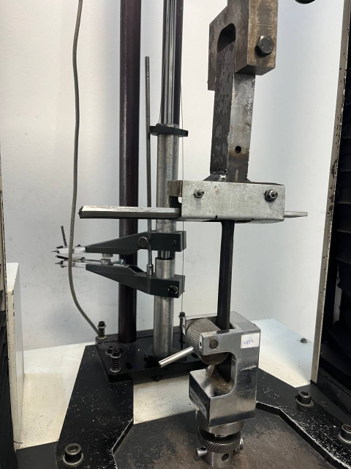
Adhesives – Determination of tensile lap-shear strength of rigid-to-rigid bonded assemblies
Purpose: Determining the tensile lap-shear strength of rigid-to-rigid bonded assemblies using a standard specimen under specified conditions of preparation and testing
Standards
ASTM D1002, ISO 4587
Measured Properties
- The force required to break the adhesive bond between two rigid substrates (metal, engineering plastic, etc.). Typical units: MPa or N/mm²
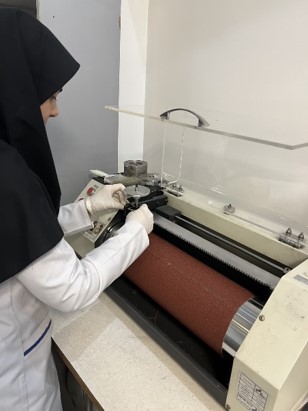
Rubber, vulcanized or thermoplastic – Determination of abrasion resistance using a rotating cylindrical drum device
Purpose: Determination of rubber resistance to abrasion using a rotating cylindrical drum apparatus.
Standards
ASTM D5963, ISO 4649, DIN 53516
Measured Properties
Volume loss of the rubber after abrasion testing using a rotating cylindrical drum.
Typical units: mm³ or cm³.
Abrasion Resistance Index / Relative Volume Loss:
The ratio of the specimen’s volume loss to that of a reference or standard sample.
Typical units: dimensionless (index)
Rubber, vulcanized or thermoplastic – Determination of tear strength
Purpose: Determination of tear resistance of vulcanized or thermoplastic rubber.
Standards
ASTM D624, ISO 34, DIN 53515, ASTM D1004, ASTM D1938
Measured Properties
- The force required to initiate or propagate a tear in the specimen.
Typical units: N/mm or KN/m
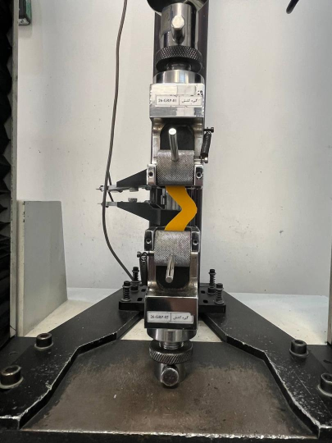
Tensile Strength of Butt-Fused joint Polyethylene Pipes
Purpose: Assessment of the quality and integrity of butt-fused polyethylene pipe joints by measuring the tensile strength of the weld.
Standard:
ISO 13953
Measured Properties
- Tensile Strength of the Weld:
The maximum force that the butt-fused pipe joint can withstand before failure.
Units: MPa or N/mm² - Failure Mode:
Location and manner of specimen failure: in the weld zone, in the pipe body, or at the weld/pipe interface.
Critical information for evaluating weld quality and joint integrity. - Elongation at Break / Strain at Failure:
The amount of elongation or deformation of the specimen up to the point of failure.
Units: %
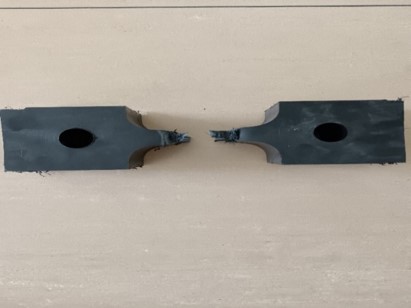
Rubber – Deterioration in an Air Oven
Purpose: A method for determining the effect of elevated temperature on the physical properties of vulcanized rubber.
Standards:
ASTM D573, ISO 188
Measured Properties
- Elongation / Tensile Elongation:
Percentage change in the length of the specimen relative to its original length after aging.
Units: % - Tensile Strength:
Maximum tensile force the specimen can withstand after aging.
Units: MPa or N/mm² - Hardness:
Changes in surface hardness of the specimen after exposure to aging conditions.
Units: Shore A or Shore D - Dimensional / Volume Change:
Swelling, shrinkage, or deformation of the specimen due to heat or aging environment.
Units: % or mm - Surface Cracking / Degradation:
Observation and recording of cracks, flaking, or surface embrittlement of the specimen.
Units: Qualitative / Graded - Color / Surface Appearance:
Changes in color or gloss of the specimen surface due to heat or oxygen exposure.
Units: ΔE or GU (Gloss Units)
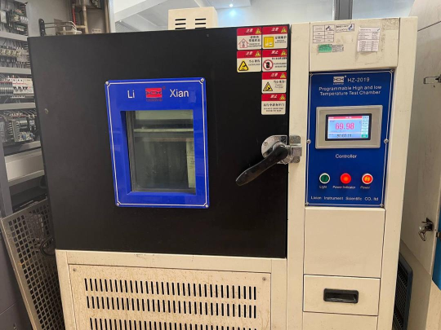
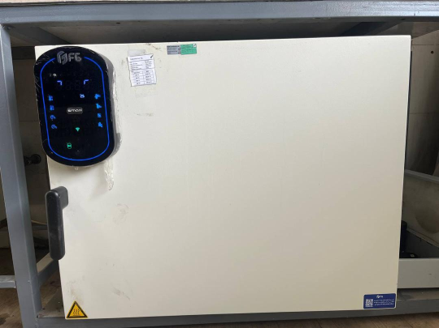
Rubber, vulcanized or thermoplastic – Determination of the effect of liquids
Purpose: Evaluation of the resistance of vulcanized and thermoplastic rubbers to the action of liquids, based on measuring the properties of the rubbers before and after immersion in test liquids.
Standards:
ASTM D471, ISO 1817
Measured Properties
- Mass Change / Weight Gain or Loss:
The amount of weight increase or decrease of the specimen after immersion in the test liquid.
Units: % or g - Dimensional / Length Change:
Change in the length of the specimen relative to its original length after immersion.
Units: % - Volume Change:
Change in the specimen’s volume due to liquid absorption or swelling.
Units: % - Hardness Change:
Increase or decrease in the surface hardness of the specimen after immersion.
Units: Shore A or Shore D - Visual / Surface Appearance:
Observation of changes such as discoloration, cracking, swelling, or other surface alterations.
Units: Qualitative / Graded