Language:

Razi Applied Science Foundation

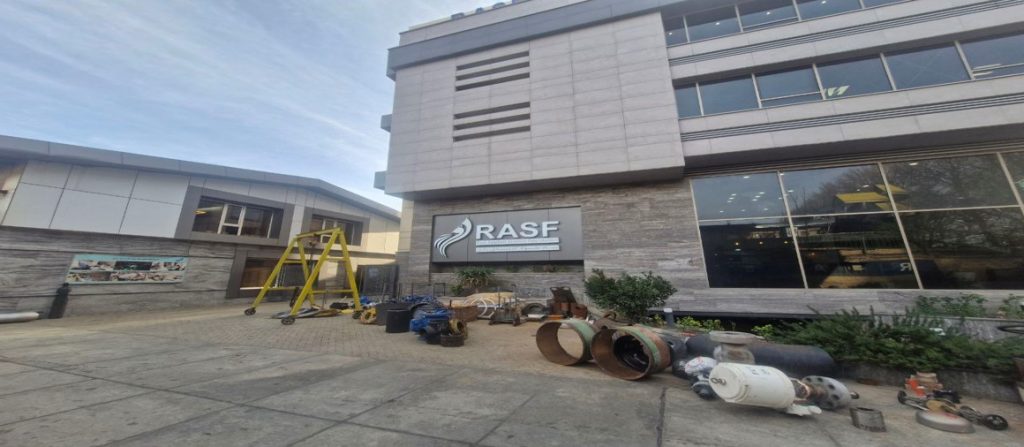
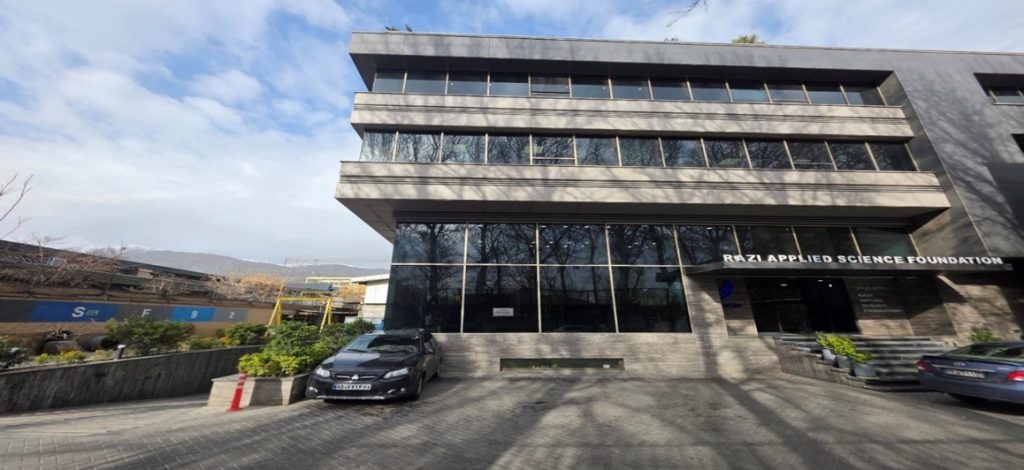
Razi Foundation for Applied Sciences is a private research, engineering, and laboratory organization based in Tehran, Iran. Established in 2013, the Foundation is supported by more than four decades of experience in industrial R&D, technical consultancy, and laboratory services

Razi Applied Science Foundation

Razi Foundation of Applied Sciences

Razi Foundation for Applied Sciences is a private research, engineering, and laboratory organization based in Tehran, Iran. Established in 2013, the Foundation is supported by more than four decades of experience in industrial R&D, technical consultancy, and laboratory services.

The Foundation specializes in materials engineering, metallurgy, metals, polymers, ceramics, software engineering, industrial problem-solving, process optimization, simulation, failure analysis, and reverse engineering.

Equipped with advanced laboratories such as metallography, electron microscopy, chemical analysis, NDT, mechanical testing, corrosion, OES, XRF, and XRD, the Foundation provides reliable technical services to major industries.

Our laboratories operate in accordance with ISO/IEC 17025 requirements, reflecting our commitment to quality, accuracy, ethics, and professional responsibility.

Reception

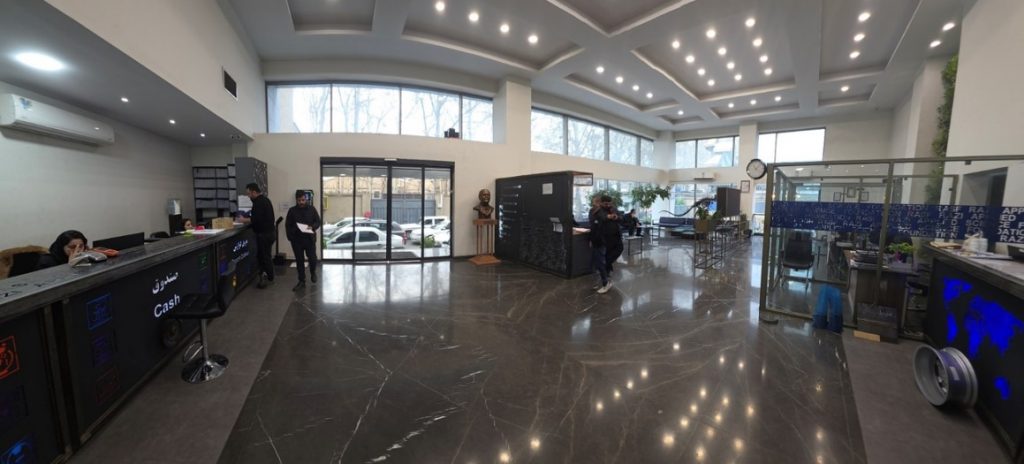
The Sample Reception function in the Research Unit is responsible for receiving, registering, and tracking samples submitted for research and industrial testing. This unit ensures proper documentation, traceability, and coordination between clients and laboratory sections throughout the testing process. To facilitate efficient access and timely service, the organization operates multiple regional representative offices, which act as sample submission points and client liaison centers. These offices collect and verify samples, provide technical guidance, and coordinate logistics with the central research laboratory, ensuring consistent quality, secure handling, and streamlined communication across all locations.

Designated storage areas are established for accepted samples to ensure proper organization and controlled conditions appropriate to each sample type. Measures are implemented to prevent damage, deterioration, contamination, or mix-up during storage.

Upon receipt, each sample is assigned a unique identification code, enabling full traceability throughout its lifecycle. All relevant information, including storage location, handling, and status, is systematically recorded to ensure that every accepted sample can be accurately tracked from receipt to final disposition in accordance with ISO/IEC 17025 requirements.