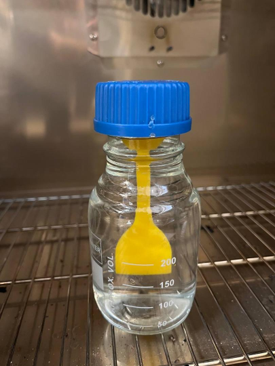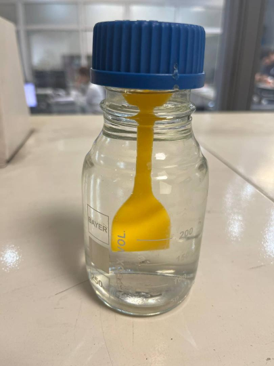


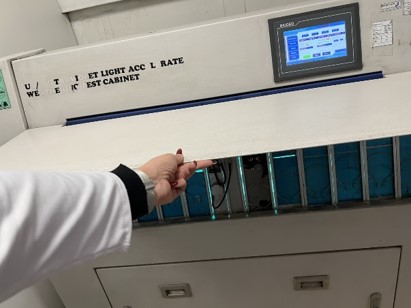
Operating Fluorescent Ultraviolet (UV) Lamp Apparatus for Exposure of Materials
Purpose: Assessment of materials’ resistance (plastics, rubbers, coatings, and paints) to UV-induced aging and degradation under simulated weathering conditions.
Standard: ASTM G154
Measured Properties
- Color Change (ΔE):
Measurement of sample color variation using a spectrophotometer or visual method.
Units: ΔE (CIE Lab) - Gloss / Surface Appearance:
Decrease or increase in the surface gloss of the sample.
Units: GU (Gloss Units) - Cracking / Surface Degradation:
Observation and recording of the extent of surface cracking, flaking, or fragmentation. - Mechanical Property Degradation:
Reduction in tensile strength, elastic modulus, flexibility, or hardness. - Weight Loss / Mass Change:
Decrease in sample mass due to surface decomposition or volatilization of materials.
Units: g or % - Depth of Degradation / Surface Roughness:
Measurement of the thickness of the damaged layer or changes in surface roughness.
Plastics – Determination of water absorption
Purpose: Determination of water absorption in plastics to assess dimensional stability, material uniformity, and potential changes in mechanical and physical properties
Standards for non-cellular plastics
ASTM D570, ISO 62, ASTM C272
Measured Properties
- Water Absorption (%)
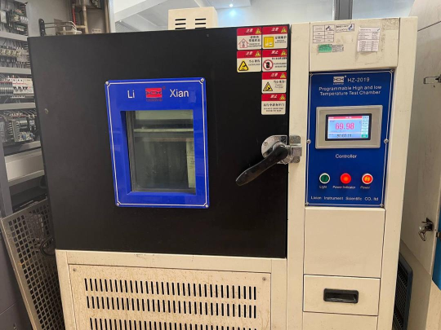
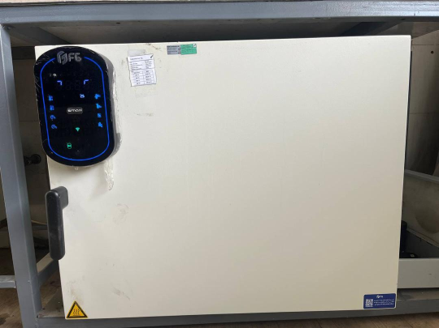
Rubber – Deterioration in an Air Oven
Purpose: A method for determining the effect of elevated temperature on the physical properties of vulcanized rubber.
Standards: ASTM D573, ISO 188
Measured Properties
- Elongation / Tensile Elongation:
Percentage change in the length of the specimen relative to its original length after aging.
Units: % - Tensile Strength:
Maximum tensile force the specimen can withstand after aging.
Units: MPa or N/mm² - Hardness:
Changes in surface hardness of the specimen after exposure to aging conditions.
Units: Shore A or Shore D - Dimensional / Volume Change:
Swelling, shrinkage, or deformation of the specimen due to heat or aging environment.
Units: % or mm - Surface Cracking / Degradation:
Observation and recording of cracks, flaking, or surface embrittlement of the specimen.
Units: Qualitative / Graded - Color / Surface Appearance:
Changes in color or gloss of the specimen surface due to heat or oxygen exposure.
Units: ΔE or GU (Gloss Units)
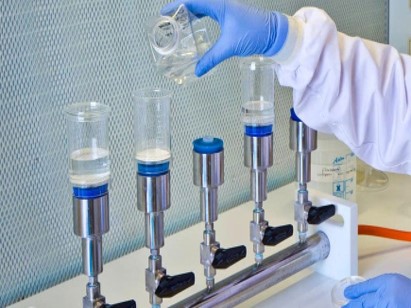
Rubber, vulcanized or thermoplastic – Determination of the effect of liquids
Purpose: Evaluation of the resistance of vulcanized and thermoplastic rubbers to the action of liquids, based on measuring the properties of the rubbers before and after immersion in test liquids.
Standards: ASTM D471, ISO 1817
Measured Properties
- Mass Change / Weight Gain or Loss:
The amount of weight increase or decrease of the specimen after immersion in the test liquid.
Units: % or g - Dimensional / Length Change:
Change in the length of the specimen relative to its original length after immersion.
Units: % - Volume Change:
Change in the specimen’s volume due to liquid absorption or swelling.
Units: % - Hardness Change:
Increase or decrease in the surface hardness of the specimen after immersion.
Units: Shore A or Shore D - Visual / Surface Appearance:
Observation of changes such as discoloration, cracking, swelling, or other surface alterations.
Units: Qualitative / Graded