

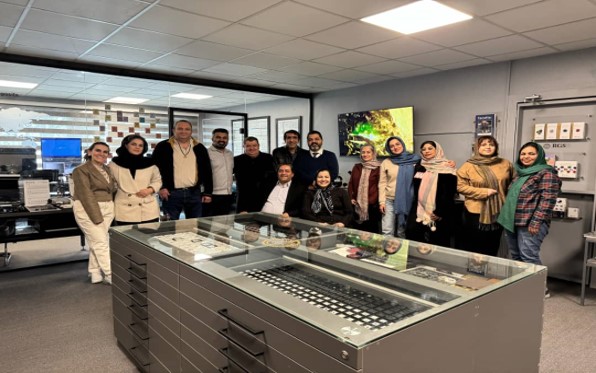
RASF’s team of experts delivers advanced, industry-driven theoretical and practical training programs in materials science, process engineering, testing standards, testing equipment, and workplace safety. These programs are strategically designed to strengthen technical competence, ensure regulatory compliance, and enhance operational excellence across industrial sectors.
The structure of our training programs integrates rigorous theoretical foundations with applied laboratory and field-based modules, in-depth standards interpretation, real-world case study evaluation, and technical roundtable discussions. Within materials engineering and related disciplines, particular emphasis is placed on advanced metallurgical principles, root-cause failure analysis methodologies, performance-based materials selection, process optimization strategies, inspection and integrity assessment techniques, and strict alignment with international codes and standards.
The primary objective of our training services is to equip professionals with immediately applicable technical competencies, analytical tools, and decision-making capabilities that enhance operational reliability and organizational performance.
We deliver specialized in-house and public professional training programs in advanced materials science and industrial technologies, designed to meet the evolving technical demands of modern industries.
Our training portfolio encompasses:
- Materials Engineering,
- Health, Safety and Environment (HSE)
- Effective Communication Skills
- Project Management Fundamentals
- Personal Branding and Professional Image
- Quality Assurance and Quality Control (QA/QC)
- Test Verification and Validation Methodologies
- Risk Assessment
- Non-Destructive Testing (NDT) programs and
- Key to Steel (steel identification and standardization systems)
- Sampling and Sample Preparation
- Gemology
- Customized technical courses developed according to industry requirements
Our QA/QC and verification programs are structured around systematic quality management frameworks, validation and qualification protocols, traceable documentation systems, risk-based inspection (RBI) methodologies, and performance benchmarking practices. NDT training modules cover both fundamental theory and advanced practical applications of inspection technologies in accordance with internationally recognized certification schemes. HSE training programs address regulatory compliance, hazard identification and risk assessment, incident prevention strategies, safety leadership, and the development of a proactive safety culture within complex industrial environments.
All programs are designed and delivered by our in-house subject matter experts with extensive academic credentials and practical industrial experience. Our instructors combine technical depth with real-world insight, ensuring that each course maintains rigorous scientific standards while remaining directly applicable to operational environments.
Organizations participating in our programs strengthen their technical infrastructure, improve process control and safety performance, ensure regulatory compliance, optimize material and production efficiency, and ultimately increase their competitive advantage in both national and international markets.